 |
Yecheng Beiwuzhuang Burial Pit Sculptures
|
| |
 |
Yecheng Beiwuzhuang Burial Pit Sculptures
|
| |
 |
Yecheng Beiwuzhuang Burial Pit Sculptures
|
| |
|
Yecheng Beiwuzhuang Burial Pit Sculptures
CHINA, Hebei, Handan
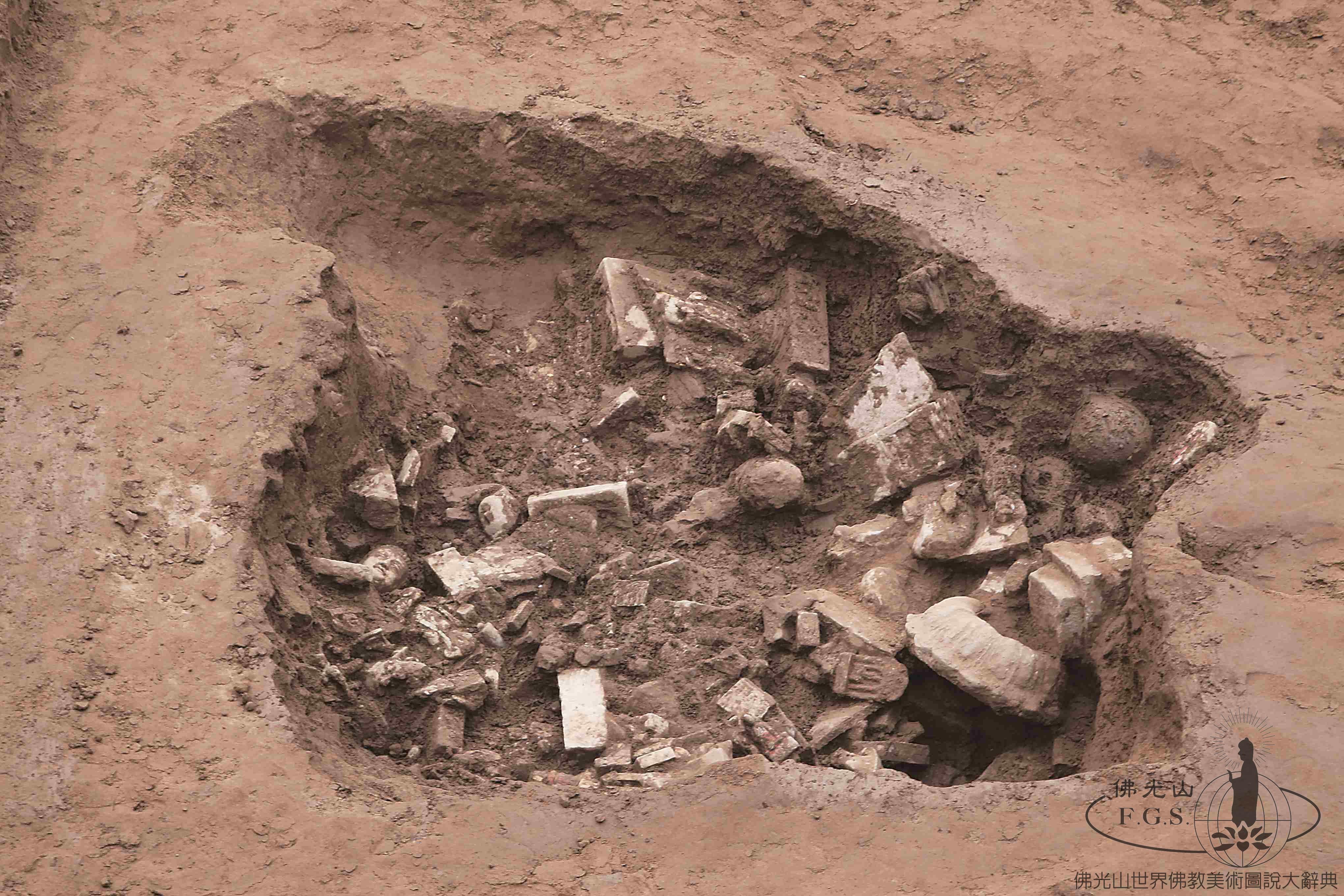
Since 1960, more than 20 burial pits were discovered at Yecheng, and they have collectively been listed as a National Cultural Heritage Site in 1988. The Beiwuzhuang Burial Pit was discovered in 2012 by the Yecheng Archaeological Team around the alluvial river deposits of the Zhanghe River. The pit is 3.3 m wide and 1.5 m deep. A total of 2,895 individual broken sculptures were discovered, as well as a few thousand fragments, of which several hundred contain inscriptions. A large portion of the sculptures were mainly from the Eastern Wei (534–550) and Northern Qi (550–577) dynasties, with a small portion from the Northern Wei (386–534), Sui (581–618), and Tang (618–907) dynasties. It is the largest find of Buddhist statues from burial pits in China since 1949.
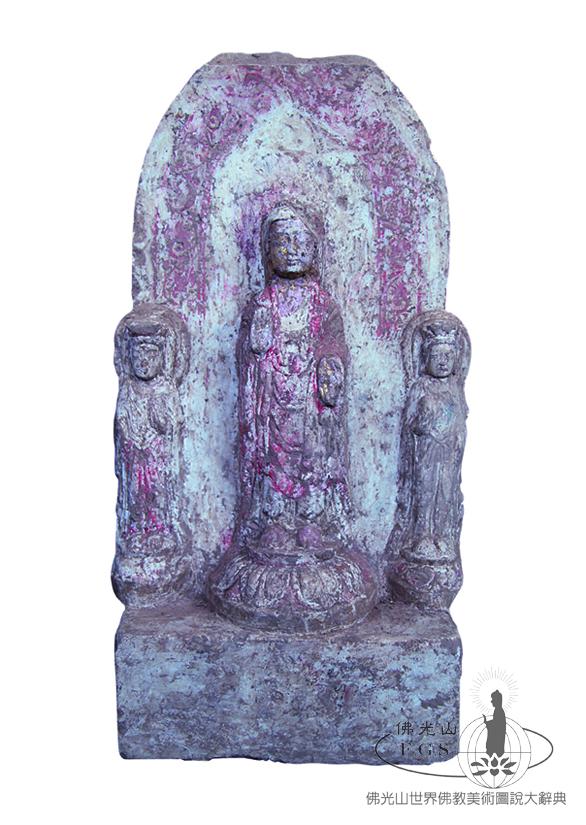
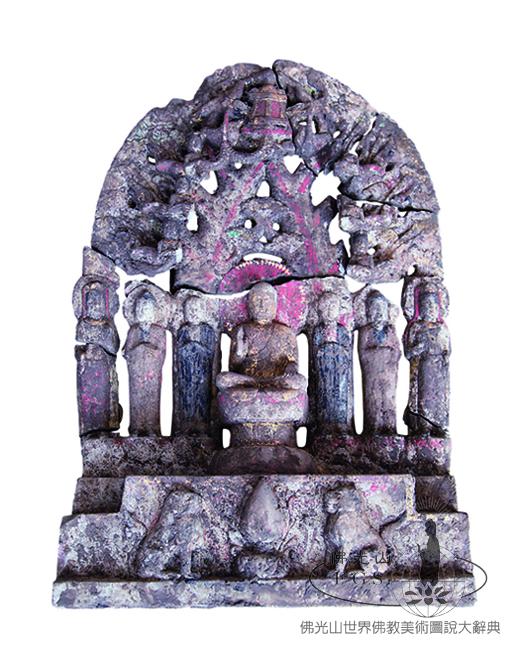
Among the varied finds have been individual statues of Sakyamuni, Maitreya, Prince Siddhartha in contemplation, and Avalokitesvara. Other types include paired compositions and triads. Most sculptures are set against a back screen while others are freestanding. Many still contain traces of gilt or paint. Marble is the most common material, while some are carved from limestone or sandstone.
Despite the irregular placement of statues, the most recent artifacts were from the Tang dynasty, so archaeologists estimate that the burial took place during that period. The sheer amount of artifacts provides invaluable research material for the study of artistic trends and shifts in subject preferences. |