 |
Wutaishan Yanshan Temple Manjusri Hall: Life of the Buddha
|
| |
 |
Wutaishan Yanshan Temple Manjusri Hall: Life of the Buddha
|
| |
 |
Wutaishan Yanshan Temple Manjusri Hall: Life of the Buddha
|
| |
 |
Wutaishan Yanshan Temple Manjusri Hall: Life of the Buddha
|
| |
 |
Wutaishan Yanshan Temple Manjusri Hall: Life of the Buddha
|
| |
 |
Wutaishan Yanshan Temple Manjusri Hall: Life of the Buddha
|
| |
 |
Wutaishan Yanshan Temple Manjusri Hall: Life of the Buddha
|
| |
 |
Wutaishan Yanshan Temple Manjusri Hall: Life of the Buddha
|
| |
 |
Wutaishan Yanshan Temple Manjusri Hall: Life of the Buddha
|
| |
|
Wutaishan Yanshan Temple Manjusri Hall: Life of the Buddha
CHINA, Shanxi, Xinzhou; Jin dynasty (1115–1234), dated 1167
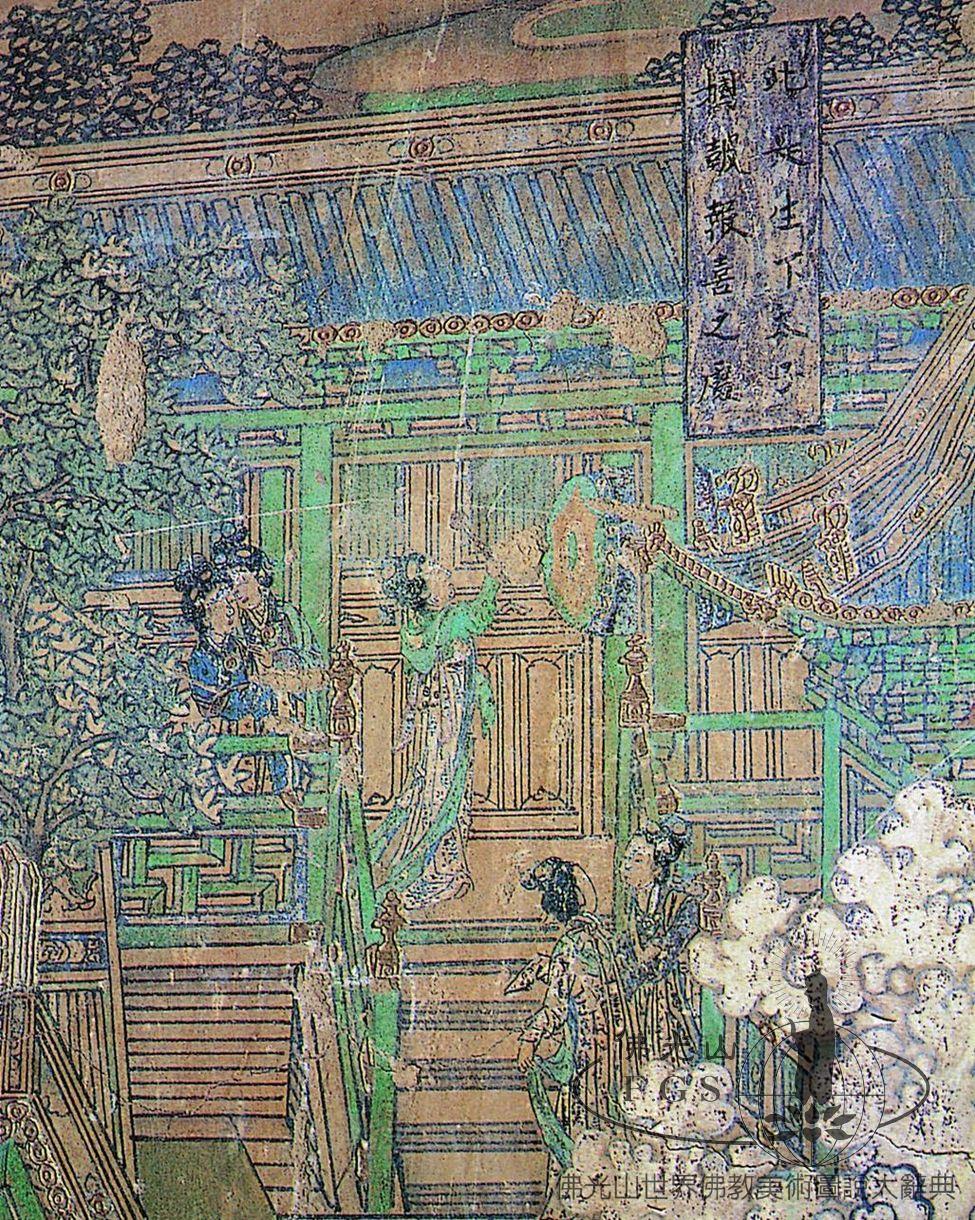
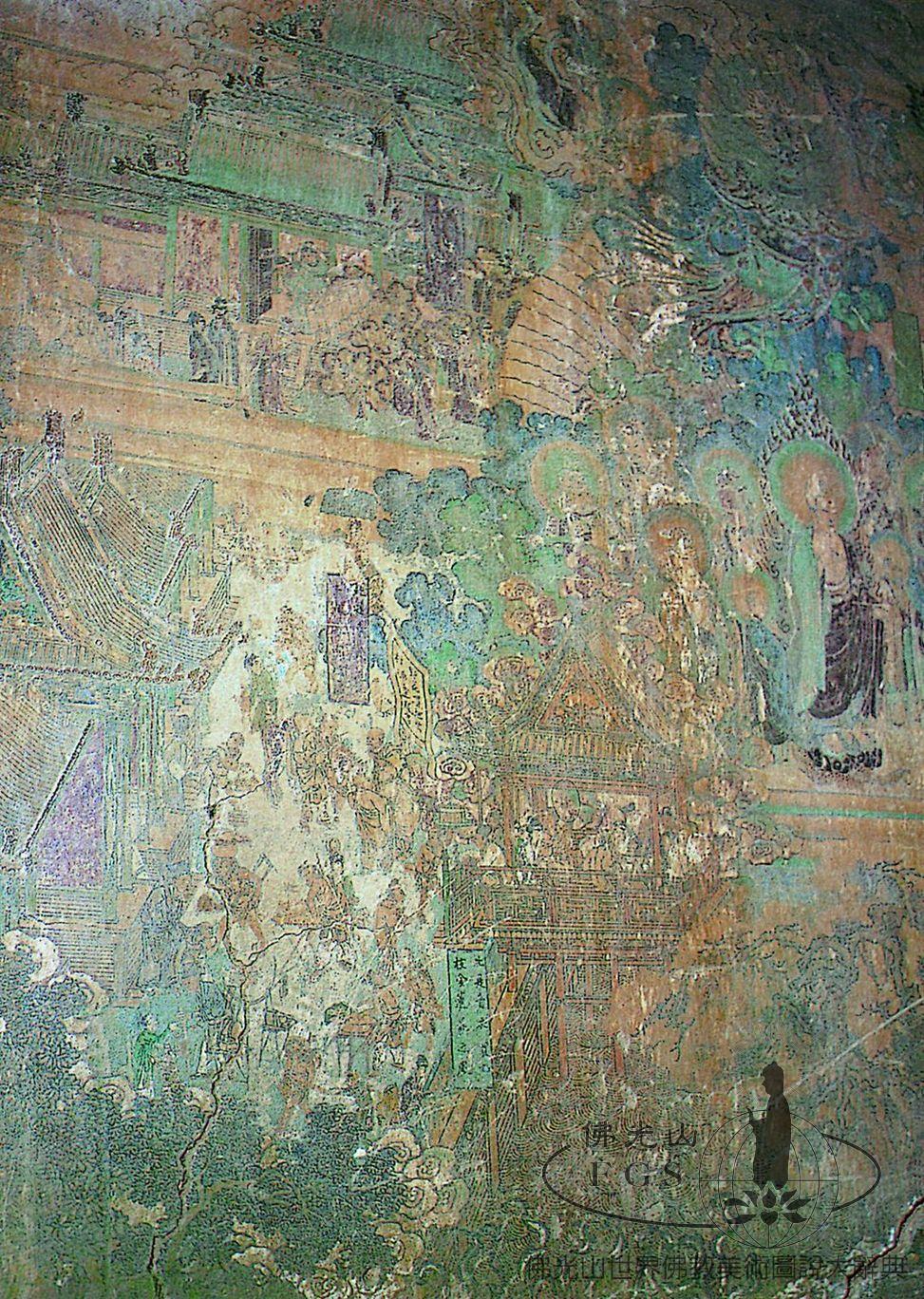
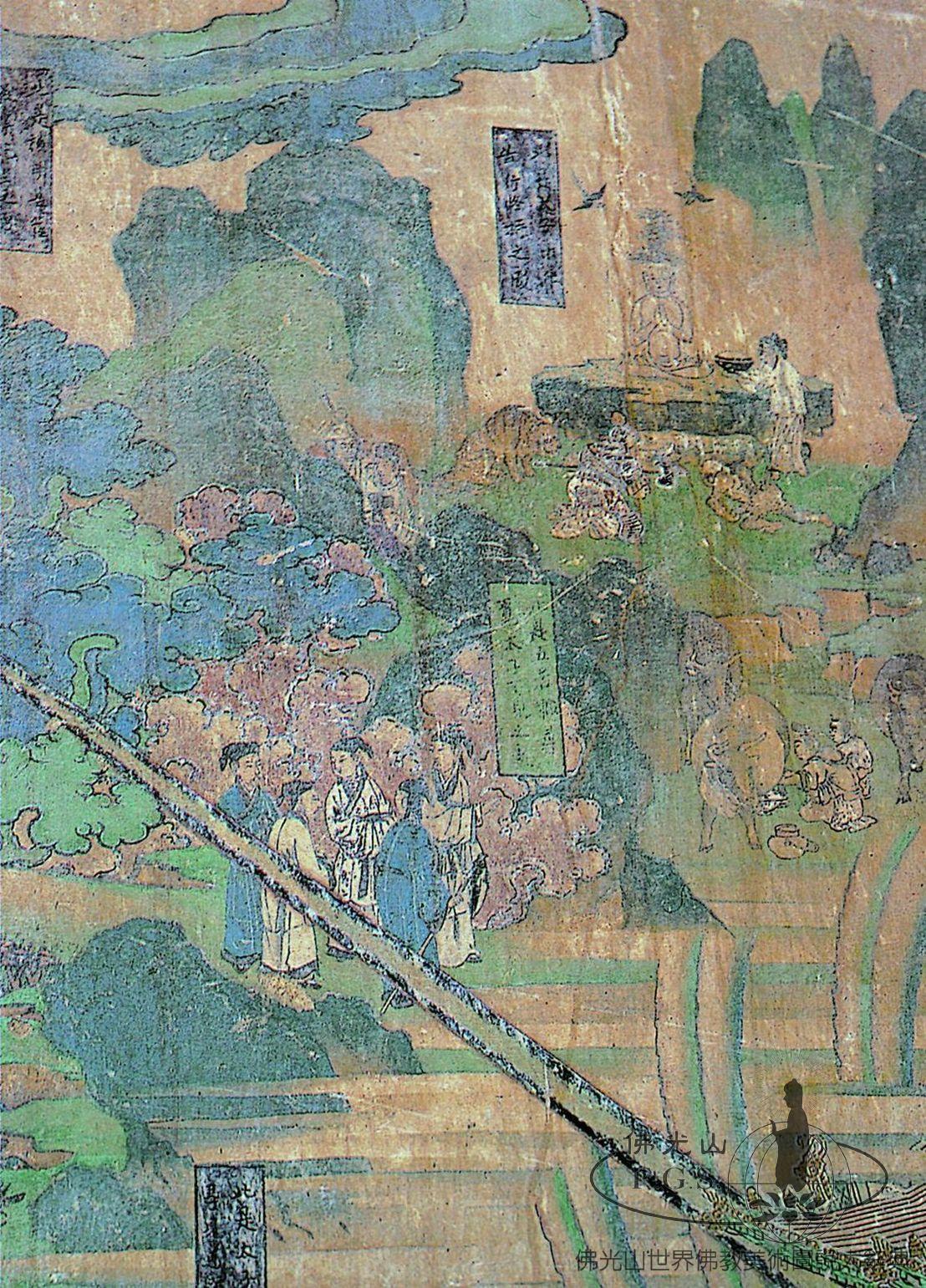
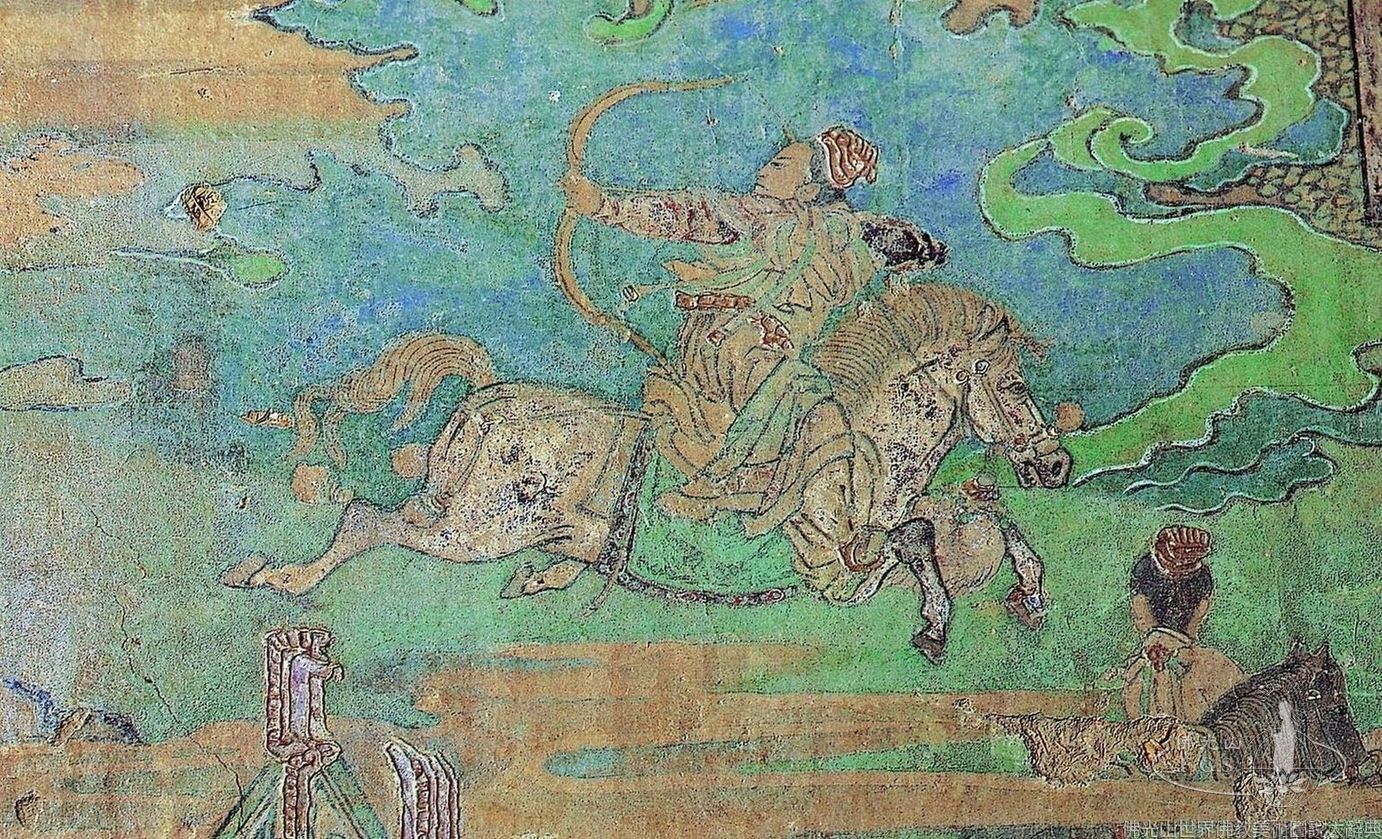
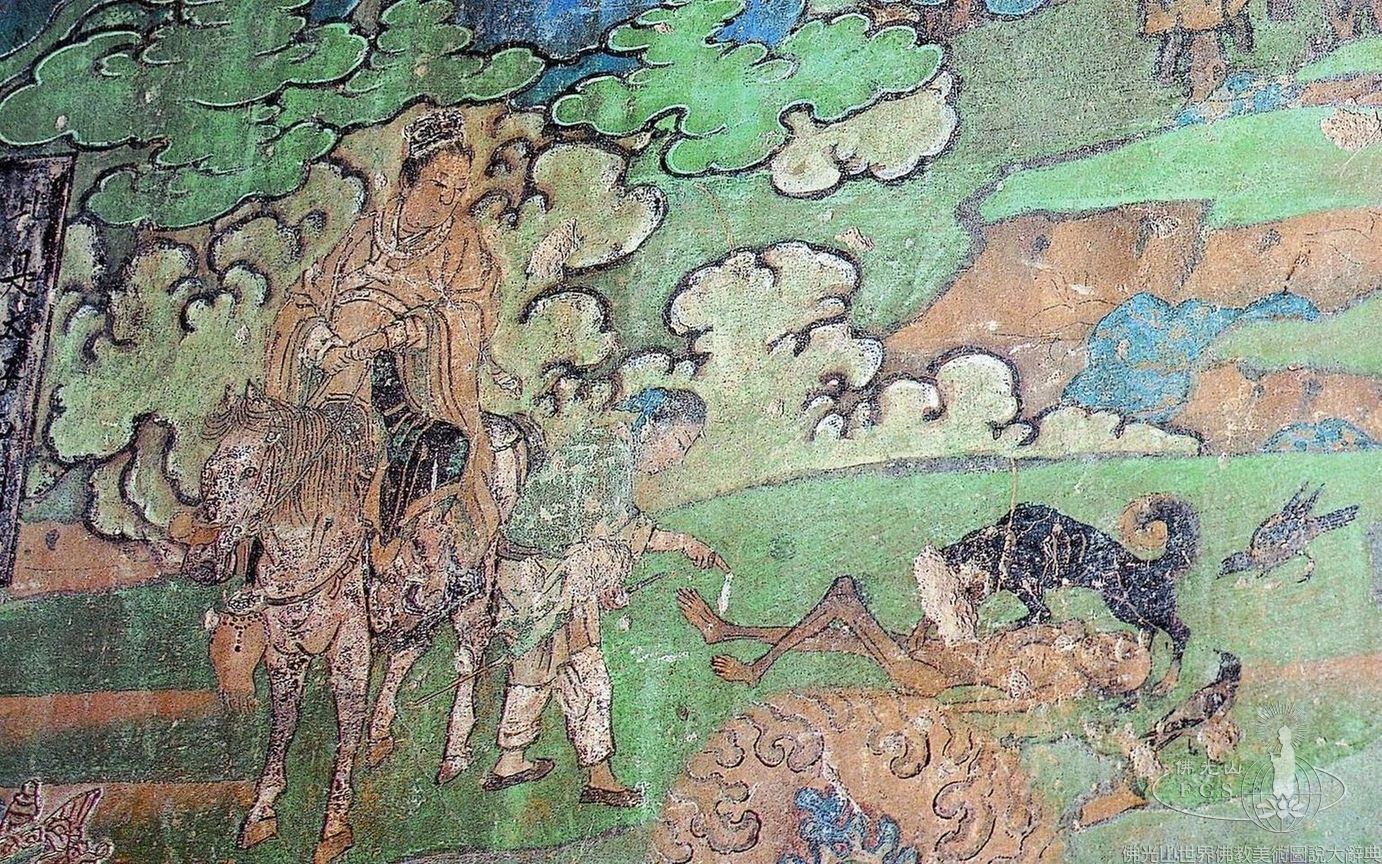
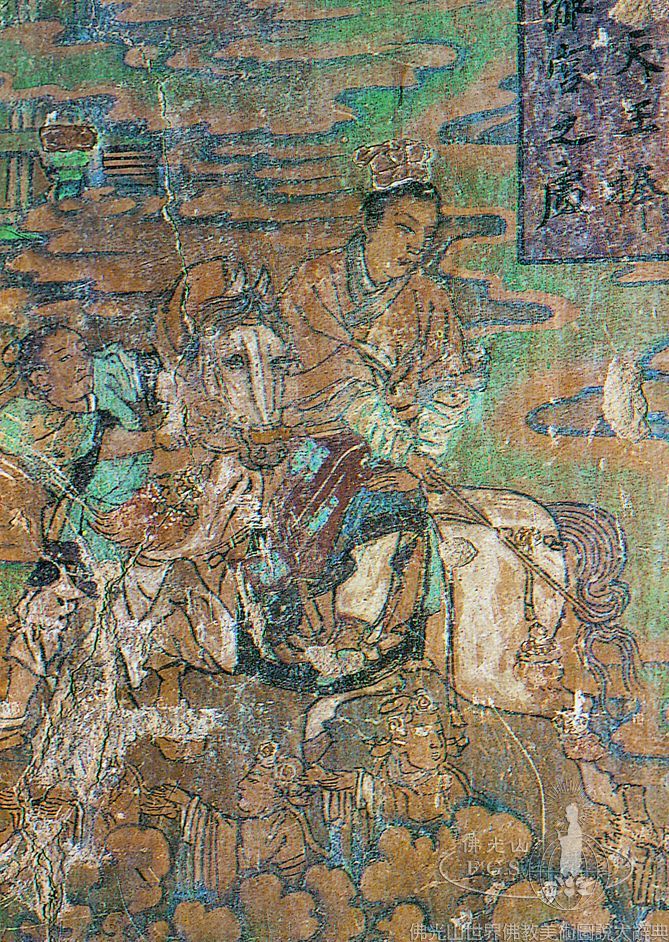
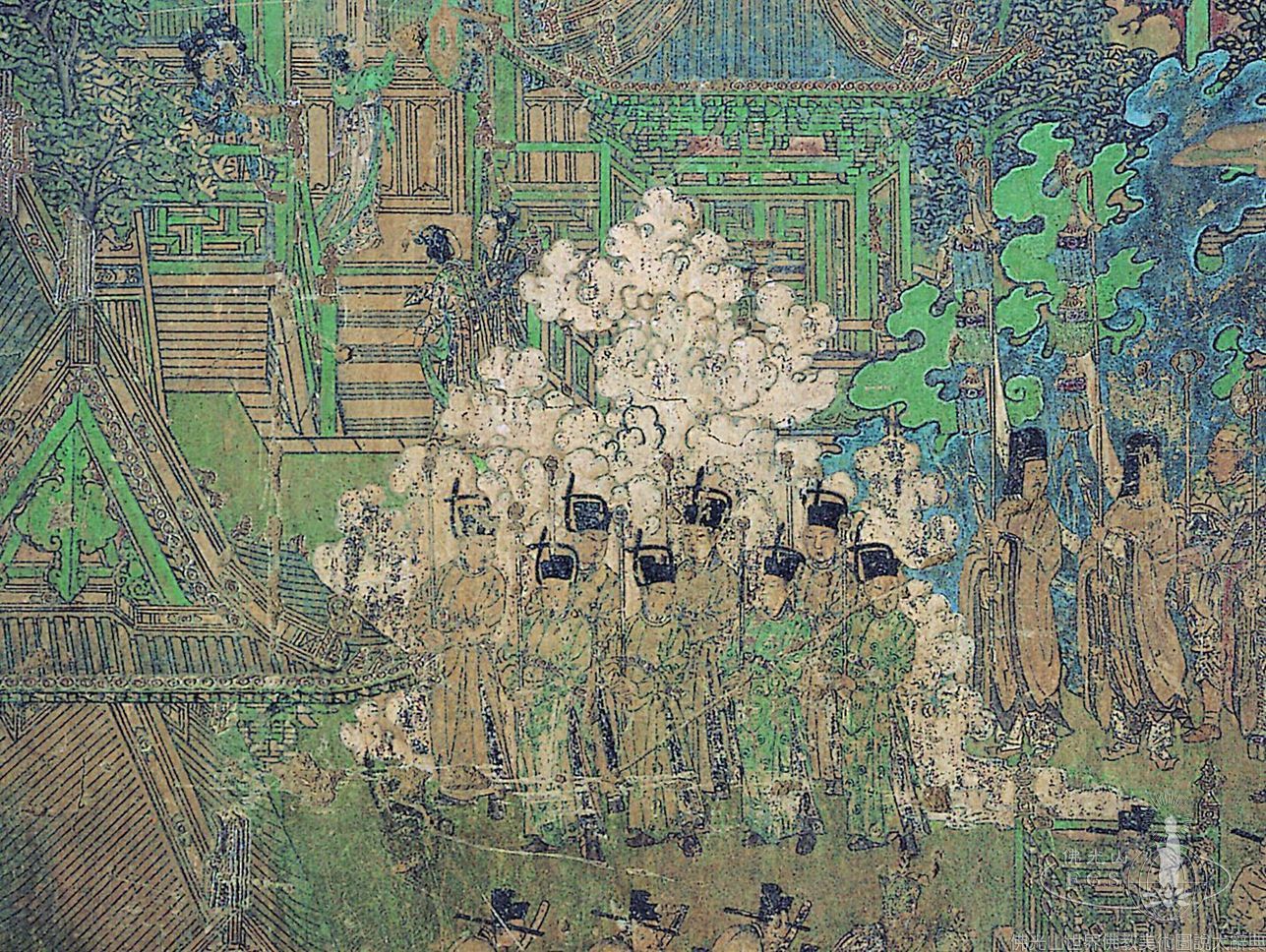
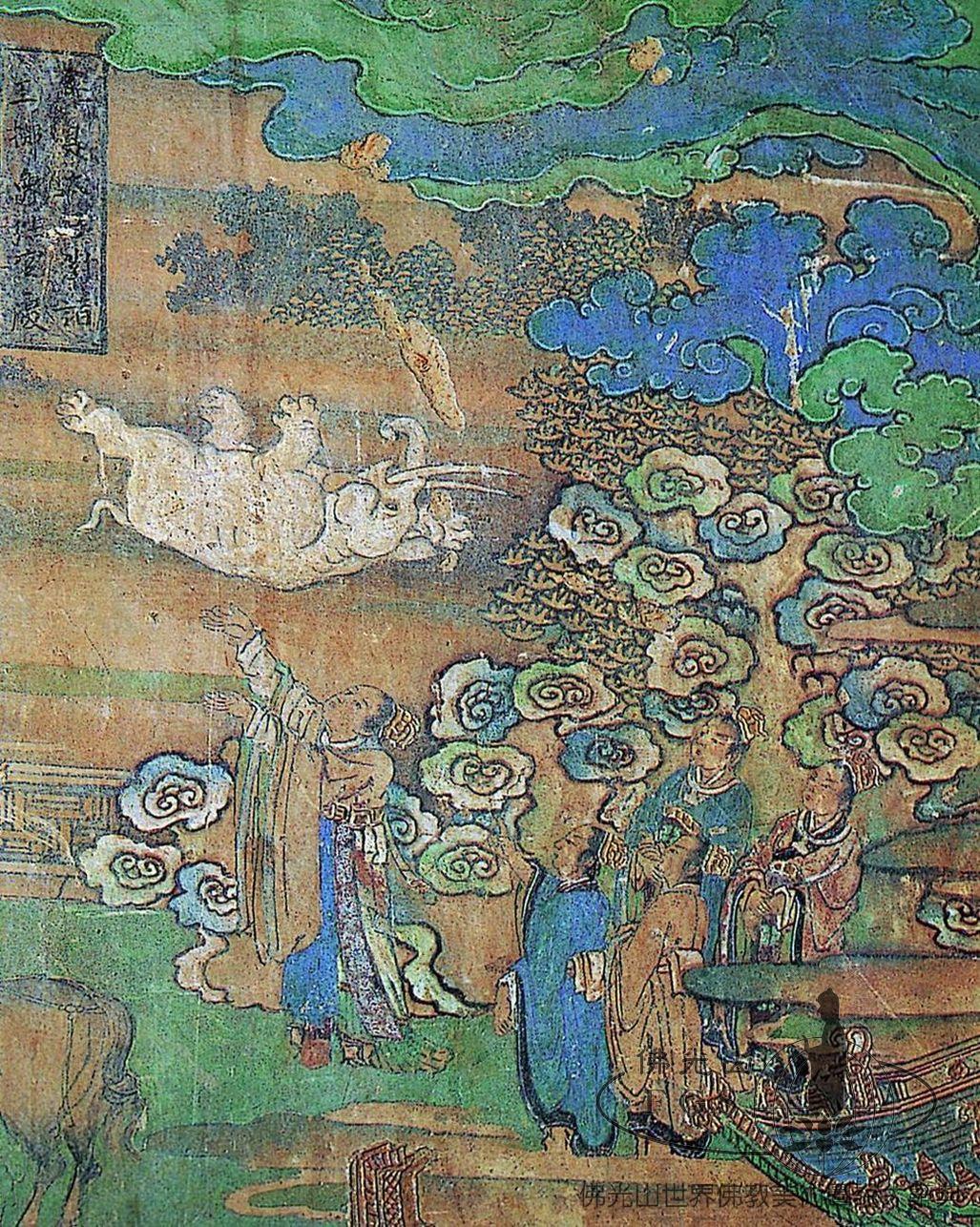
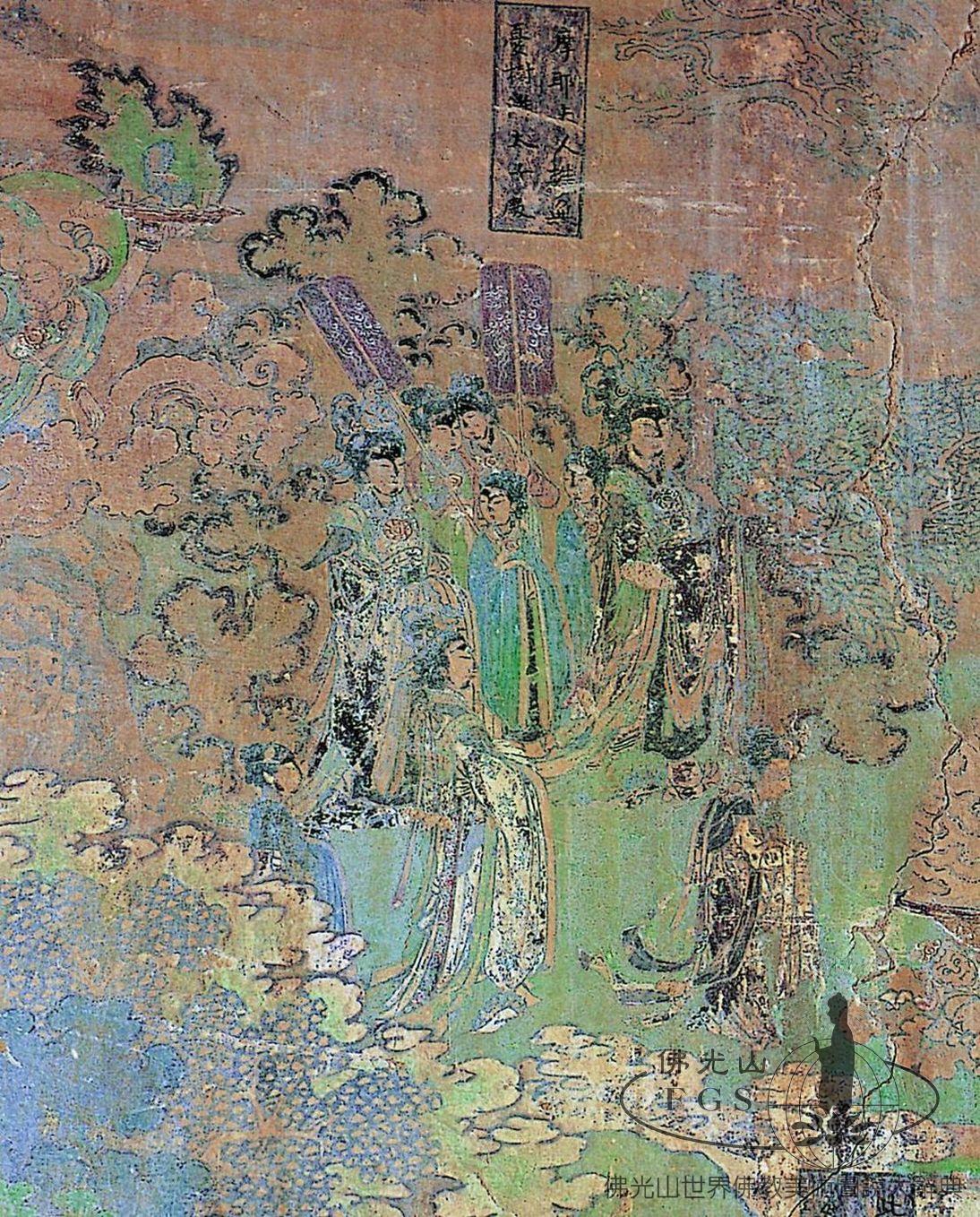
This mural is found on the west wall of Manjusri Hall. A palace is painted in the center, surrounded by smaller buildings, hills, and trees. Within the landscape there are depictions of scenes from the Life of the Buddha as they are described in the Abhiniskramana Sutra. The scenes include Queen Maya's Dream, Birth of Prince Siddhartha, Four Encounters, Ascetic Practice, Enlightenment, Teaching the Dharma, and Parinirvana. Each scene is accompanied by an inscription within a cartouche, but only 41 of the inscriptions are still legible.
The scenes of Prince Siddhartha's early life take place within vast palaces. As he grows older, the prince is portrayed as a regal figure wearing a wide-sleeved robe and small headdress. He demonstrates his great abilities in the Skills Contest by tossing an elephant and winning an archery competition. In one of the Four Encounters, the prince sits on horseback, looking down at a corpse as it is eaten by a wild dog. Stunned by these scenes of suffering and inspired by his glimpse of an ascetic, the prince departs from the palace at night to seek enlightenment. The Four Heavenly Kings are shown supporting the hooves of his horse, carrying him over the wall. The faint figure of the prince is next seen as an ascetic in the forest, meditating on a rock surrounded by animals. A detailed depiction of a crowded street lined by buildings is also included among the illustrations.
Palace life and the customs of the nobility during the Jin dynasty are portrayed in details such as Queen Maya burning incense or courtiers offering compliments. The daily life of common people is reflected in other scenes such as Sujata Offering Milk Rice. Many of the scenes have a background of harmoniously colored clouds. The large variety of images makes this mural an impressive example of Jin dynasty portrayals of the Life of the Buddha. |