 |
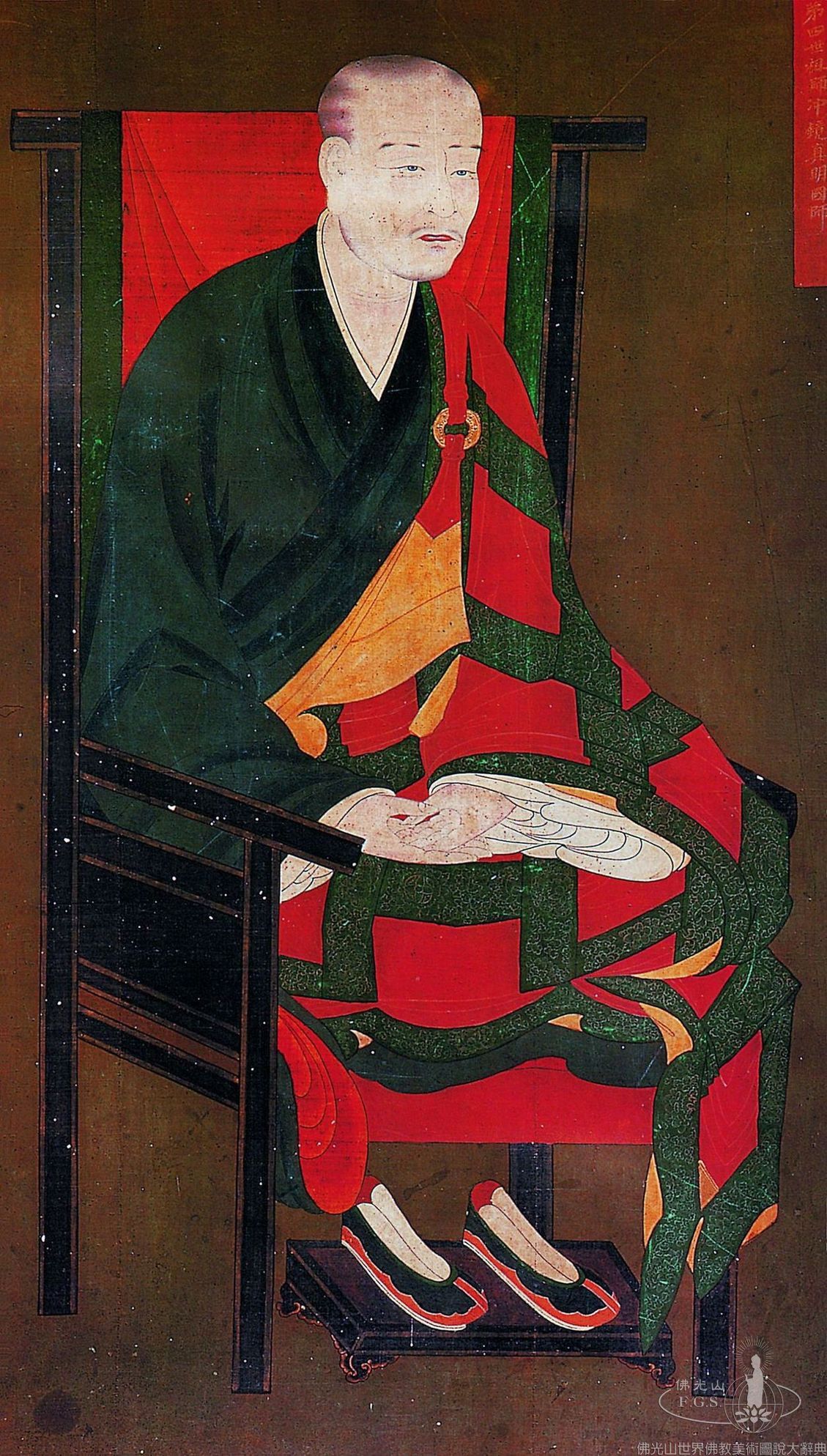
Songgwangsa Temple National Master Hall: Sixteen National Masters
|
| |
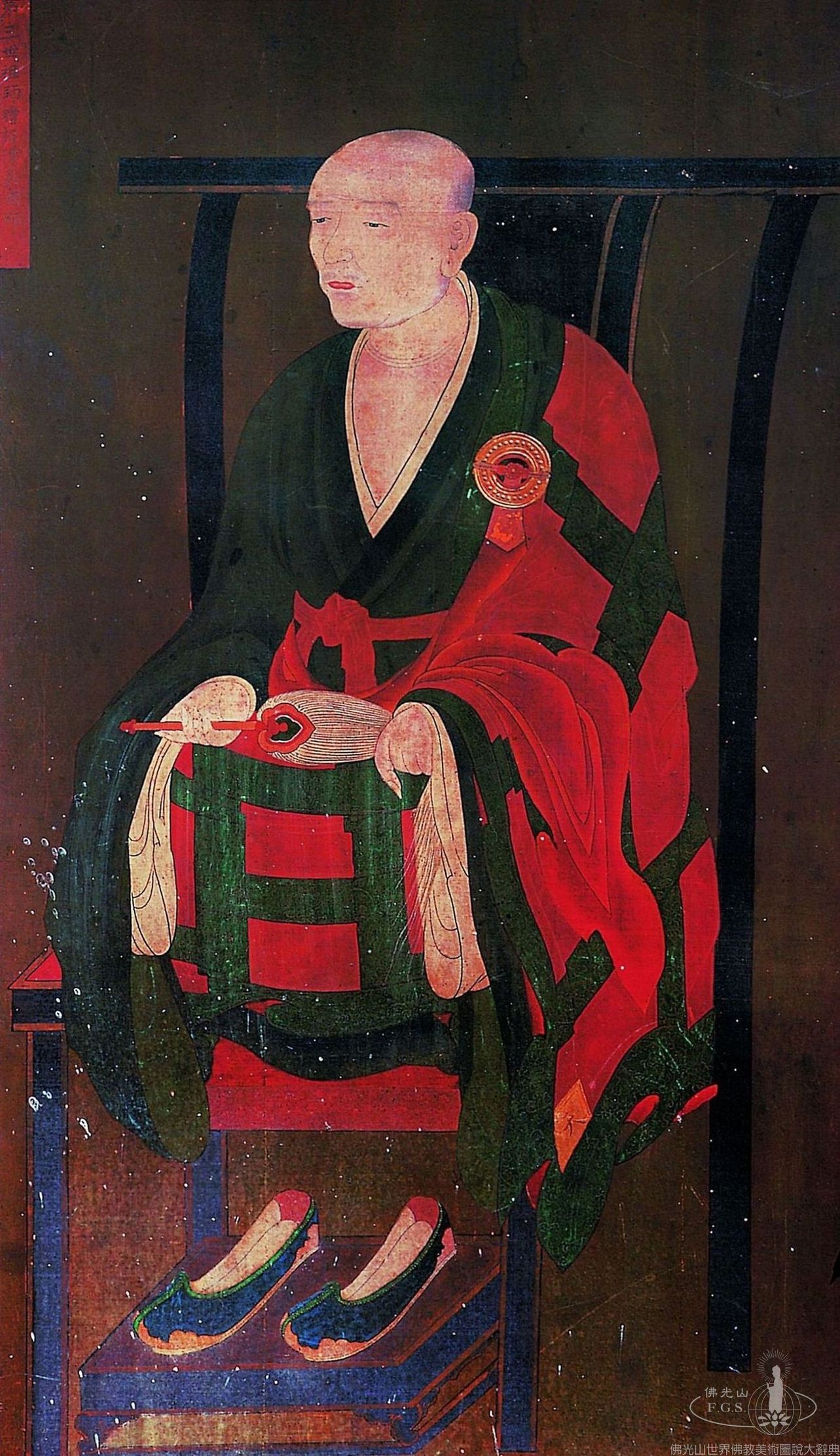 |
Songgwangsa Temple National Master Hall: Sixteen National Masters
|
| |
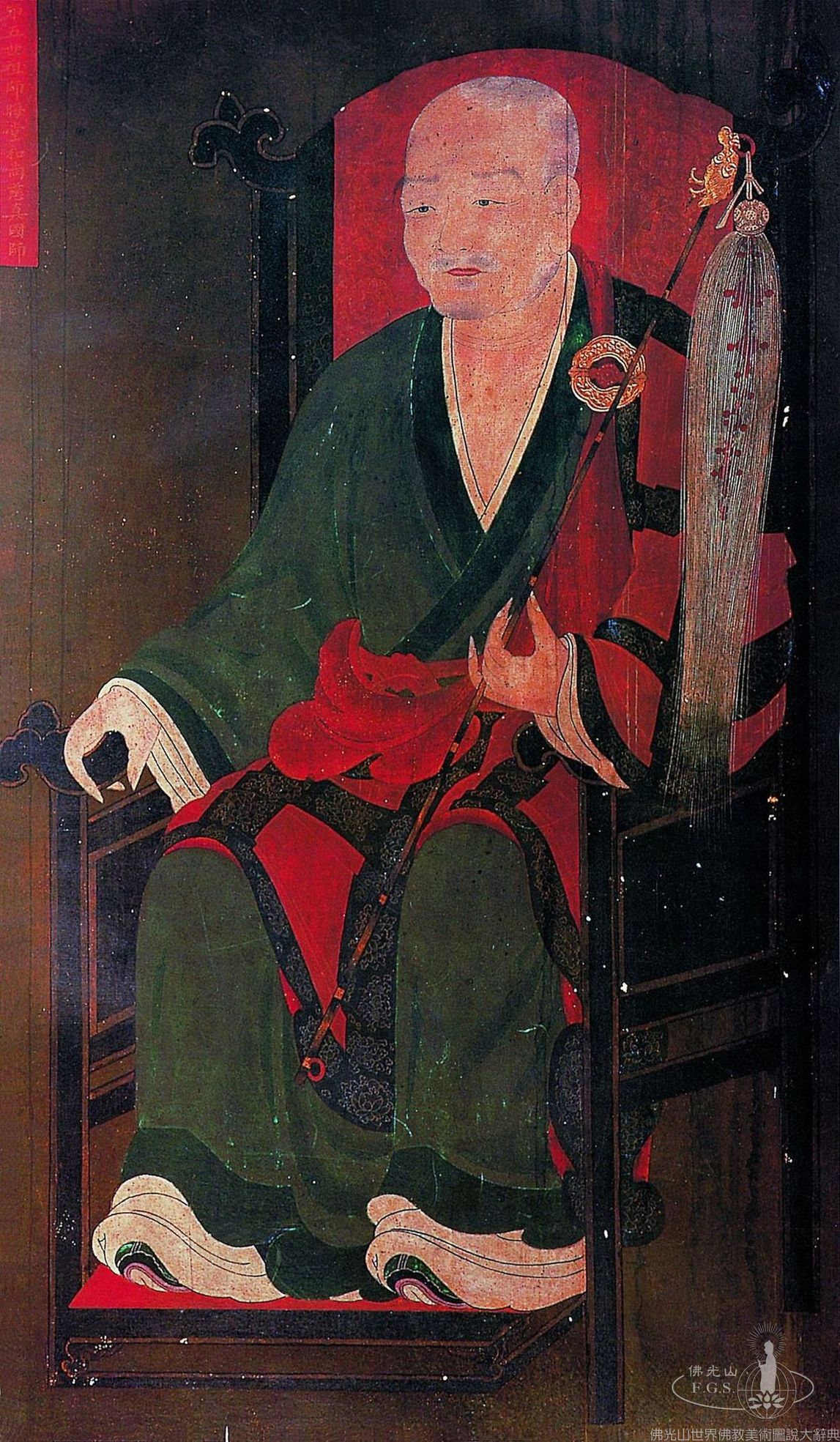 |
Songgwangsa Temple National Master Hall: Sixteen National Masters
|
| |
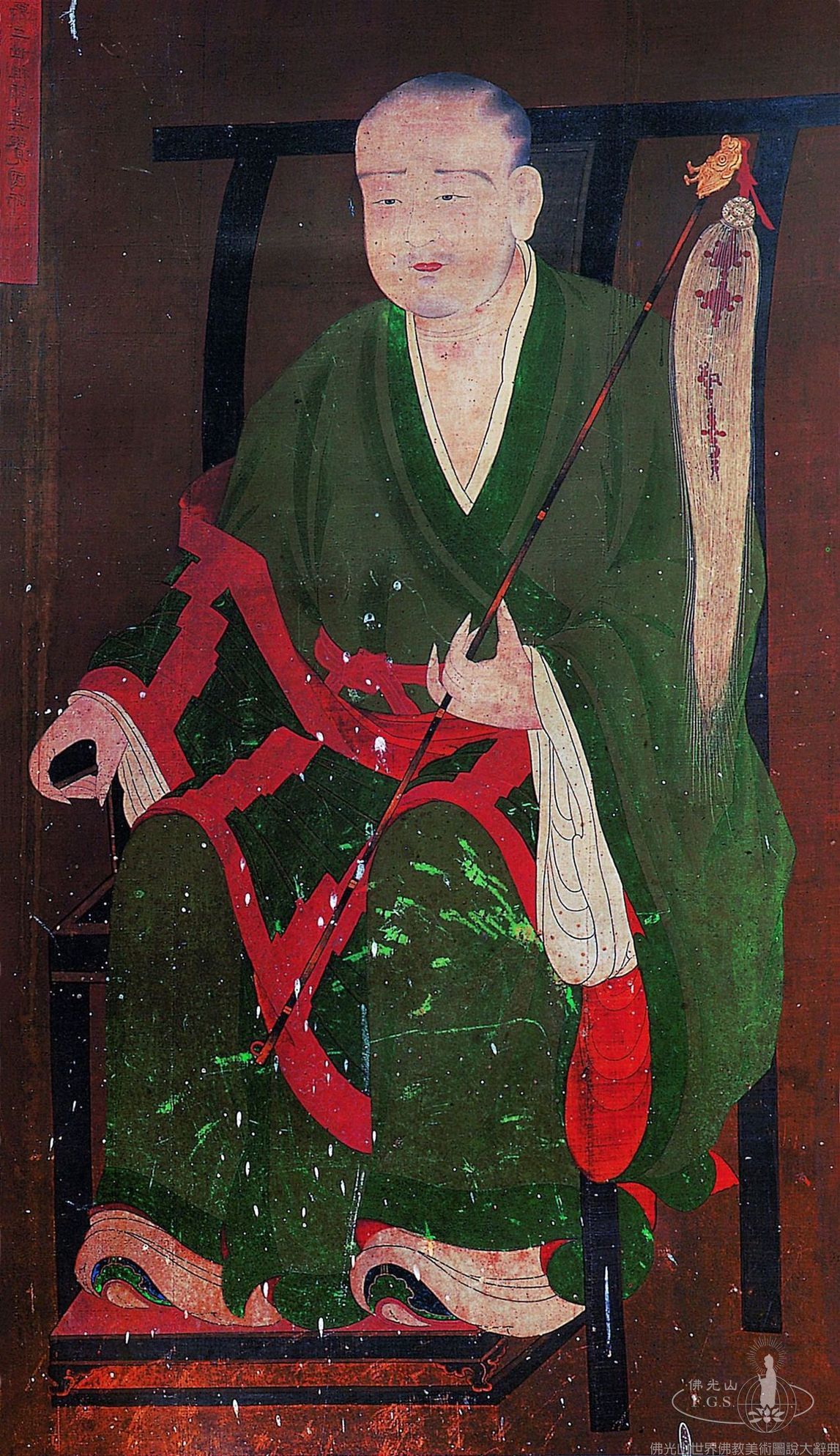 |
Songgwangsa Temple National Master Hall: Sixteen National Masters
|
| |
 |
Songgwangsa Temple National Master Hall: Sixteen National Masters
|
| |
 |
Songgwangsa Temple National Master Hall: Sixteen National Masters
|
| |
 |
Songgwangsa Temple National Master Hall: Sixteen National Masters
|
| |
 |
Songgwangsa Temple National Master Hall: Sixteen National Masters
|
| |
 |
Songgwangsa Temple National Master Hall: Sixteen National Masters
|
| |
|
Songgwangsa Temple National Master Hall: Sixteen National Masters
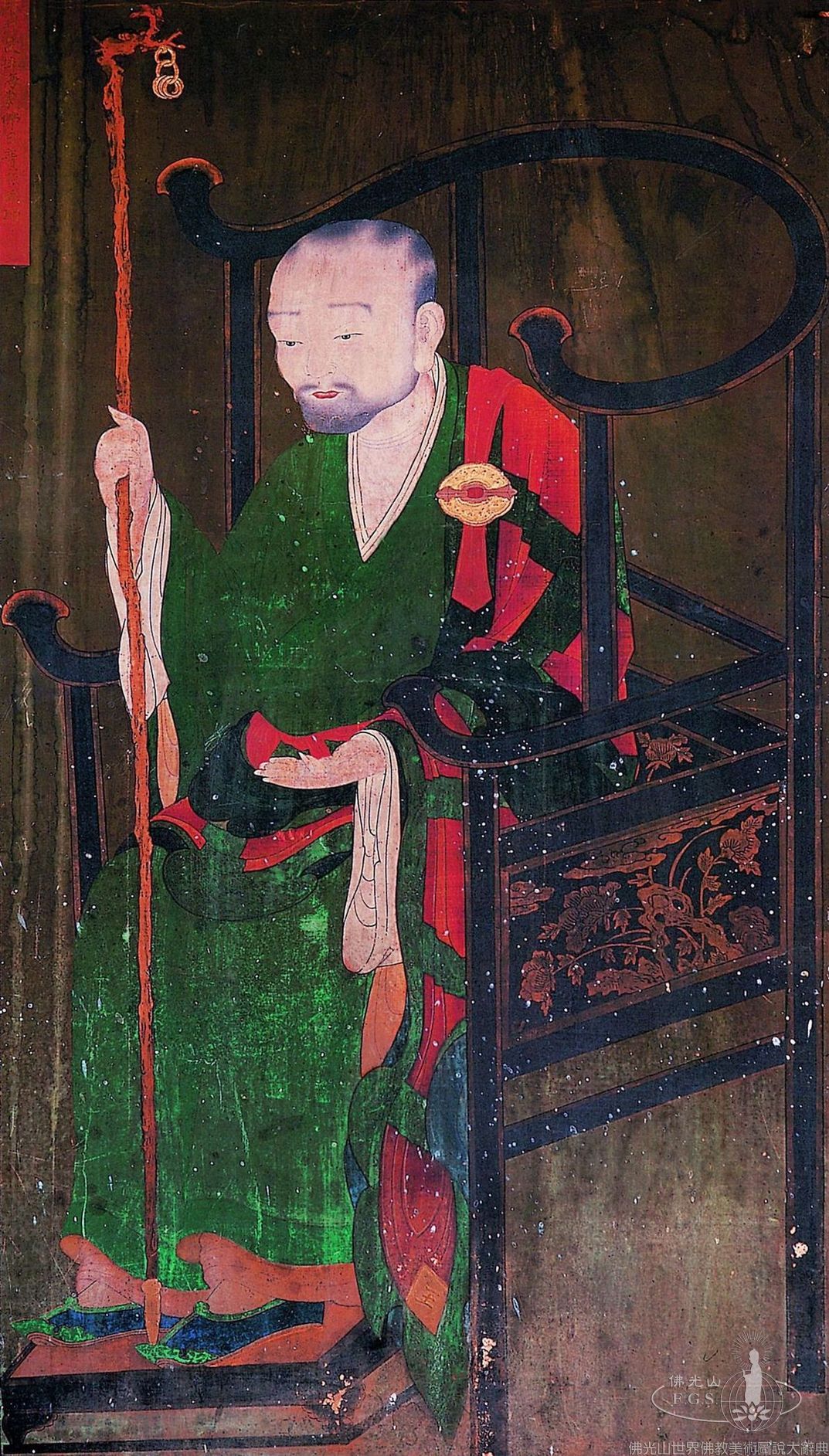
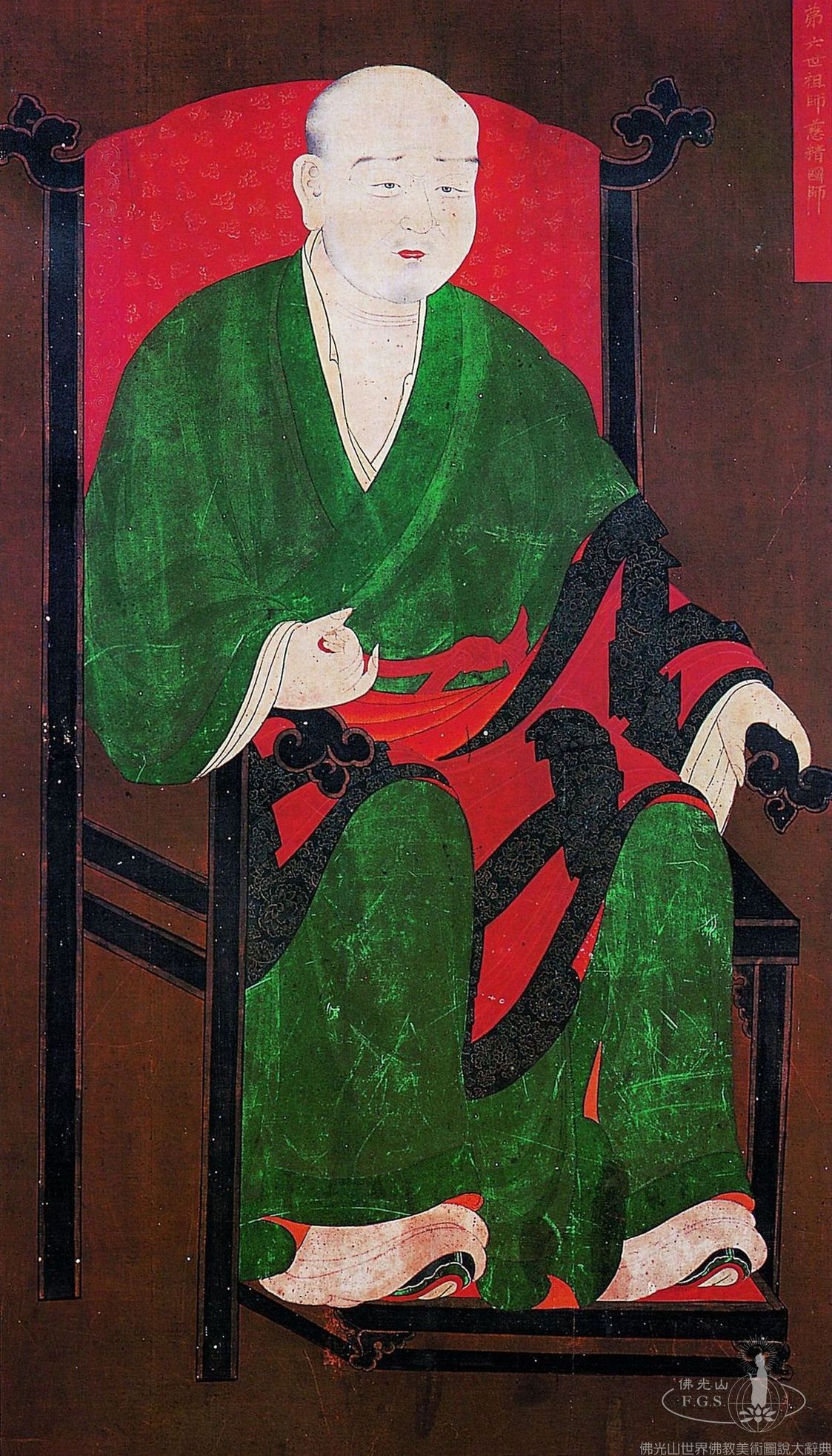
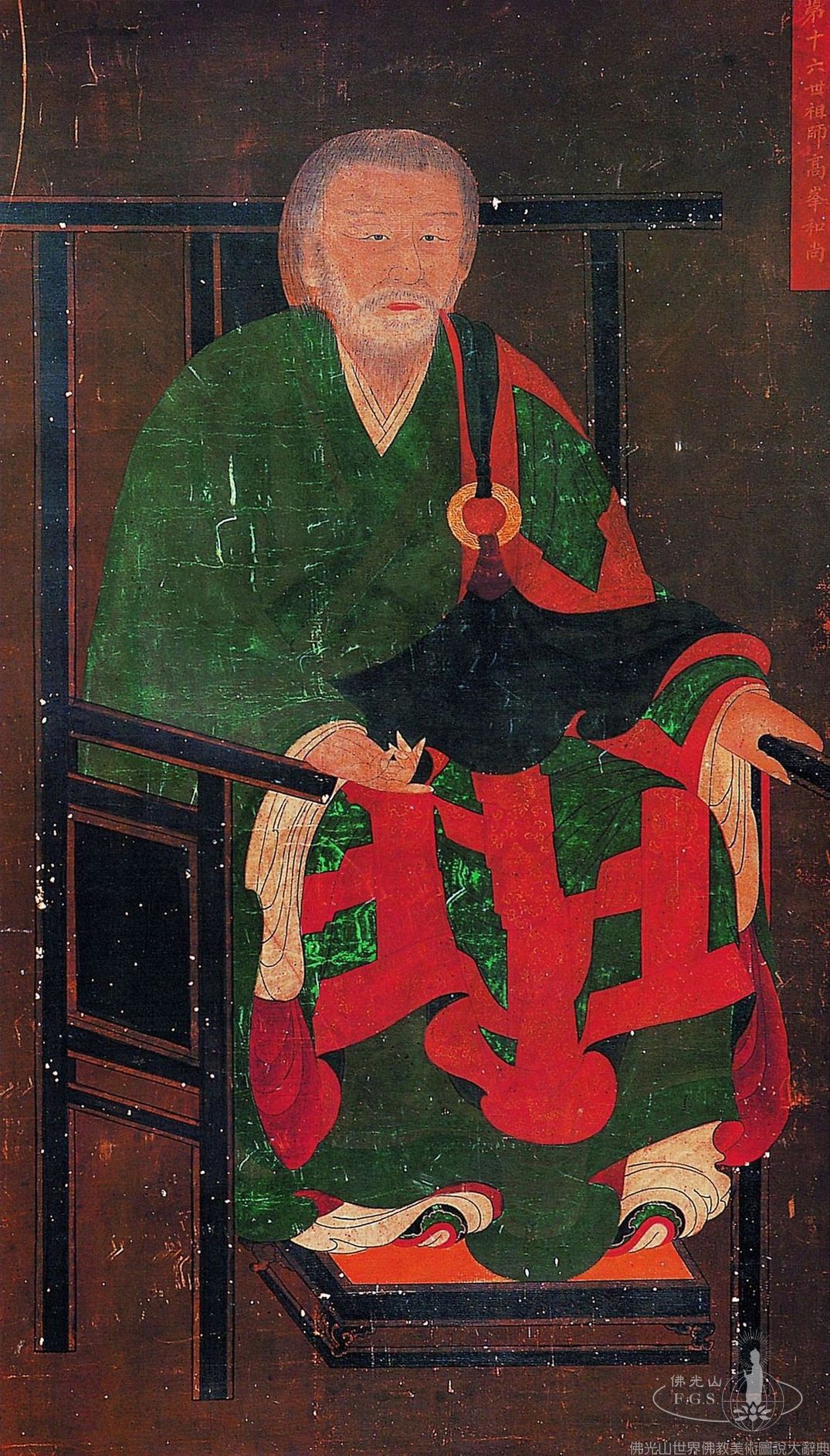
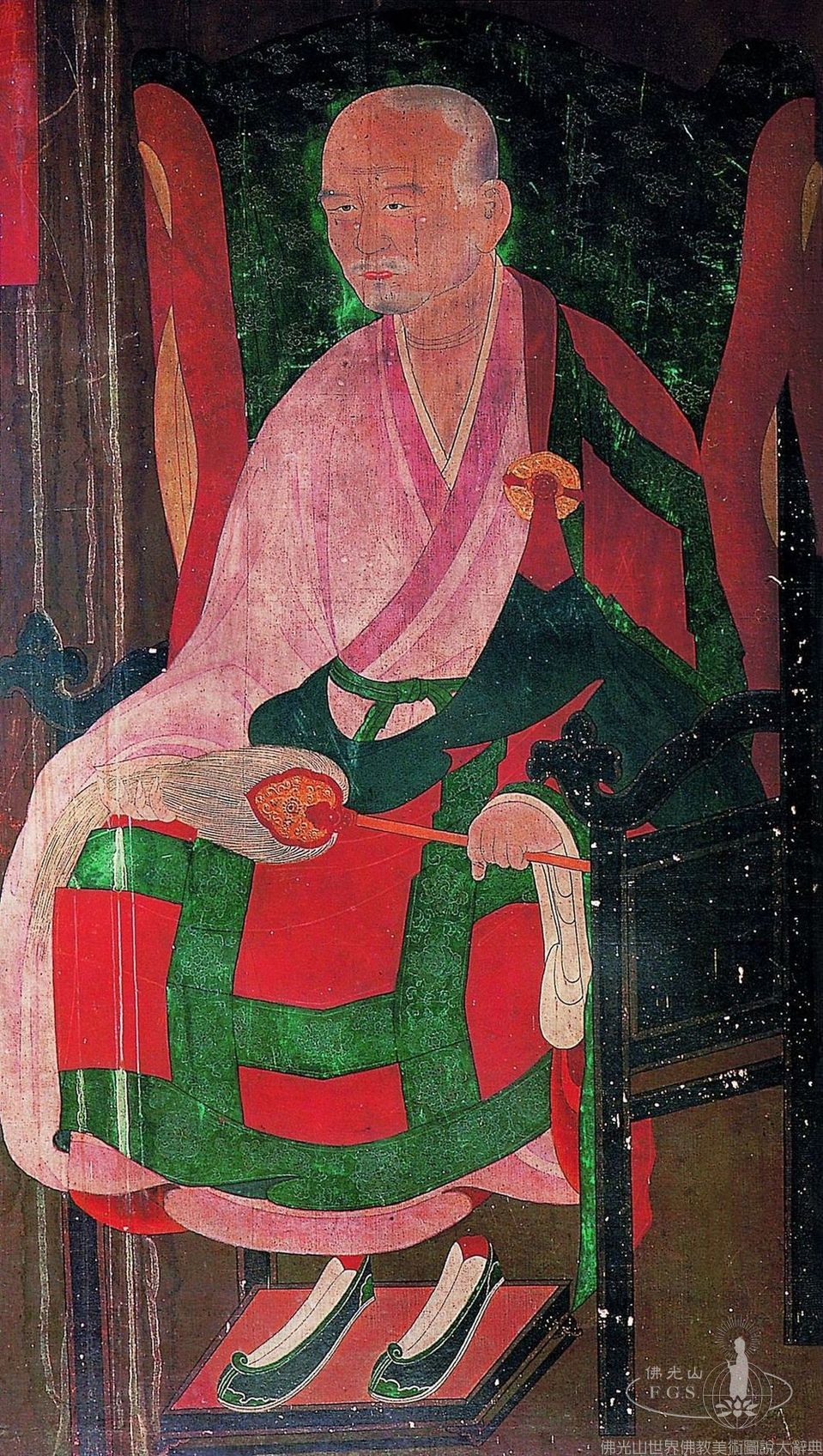
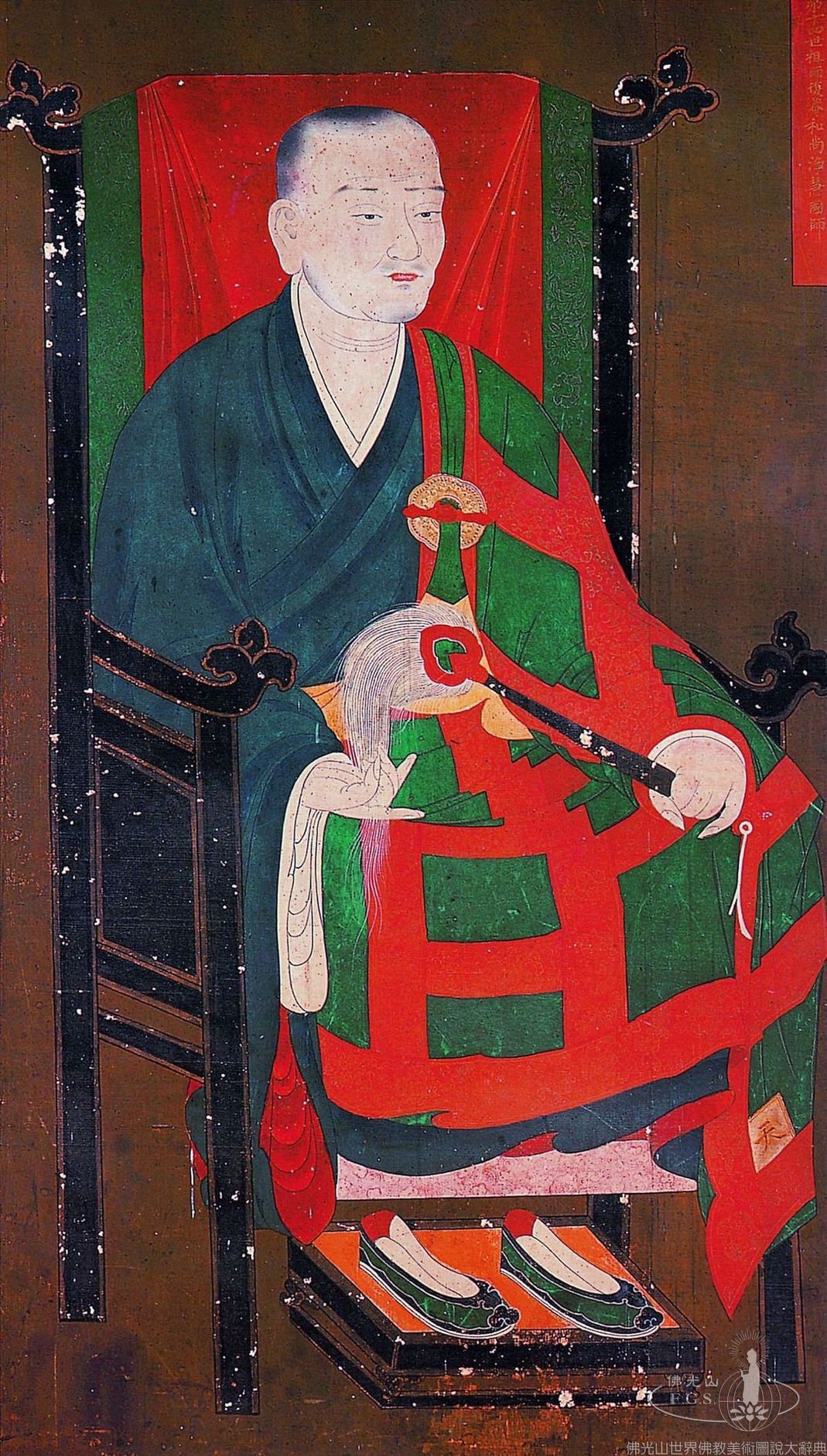
SOUTH KOREA, South Jeolla, Suncheon; Joseon dynasty (1392–1910), dated 1780; Ink and color on silk; 135 x 77.5 cm
Songgwangsa Temple is famous for producing 16 National Masters. Their portraits are displayed on the walls of the National Master Hall. The masters are all dressed in monastic robes and sit in wooden chairs. Some of them hold a whisk or a staff. Apart from the monk Gobong, who has gray hair, all of the masters have shaved heads. The face of each figure is carefully depicted with fine lines, and their robes are painted with deep, vivid colors. Although chairs are sometimes seen in Joseon dynasty paintings of royalty and influential people, they were not often used by monks at the time. Experts believe that their inclusion in these portraits was influenced by Chinese Song dynasty (960-1279) paintings of Chan Masters. |