|
Illustrated Manuscripts of the Lotus Sutra
|
| |
 |
Illustrated Manuscripts of the Lotus Sutra
|
| |
 |
Illustrated Manuscripts of the Lotus Sutra
|
| |
 |
Illustrated Manuscripts of the Lotus Sutra
|
| |
|
Illustrated Manuscripts of the Lotus Sutra
JAPAN; Heian period (794–1185); Ink and color on paper
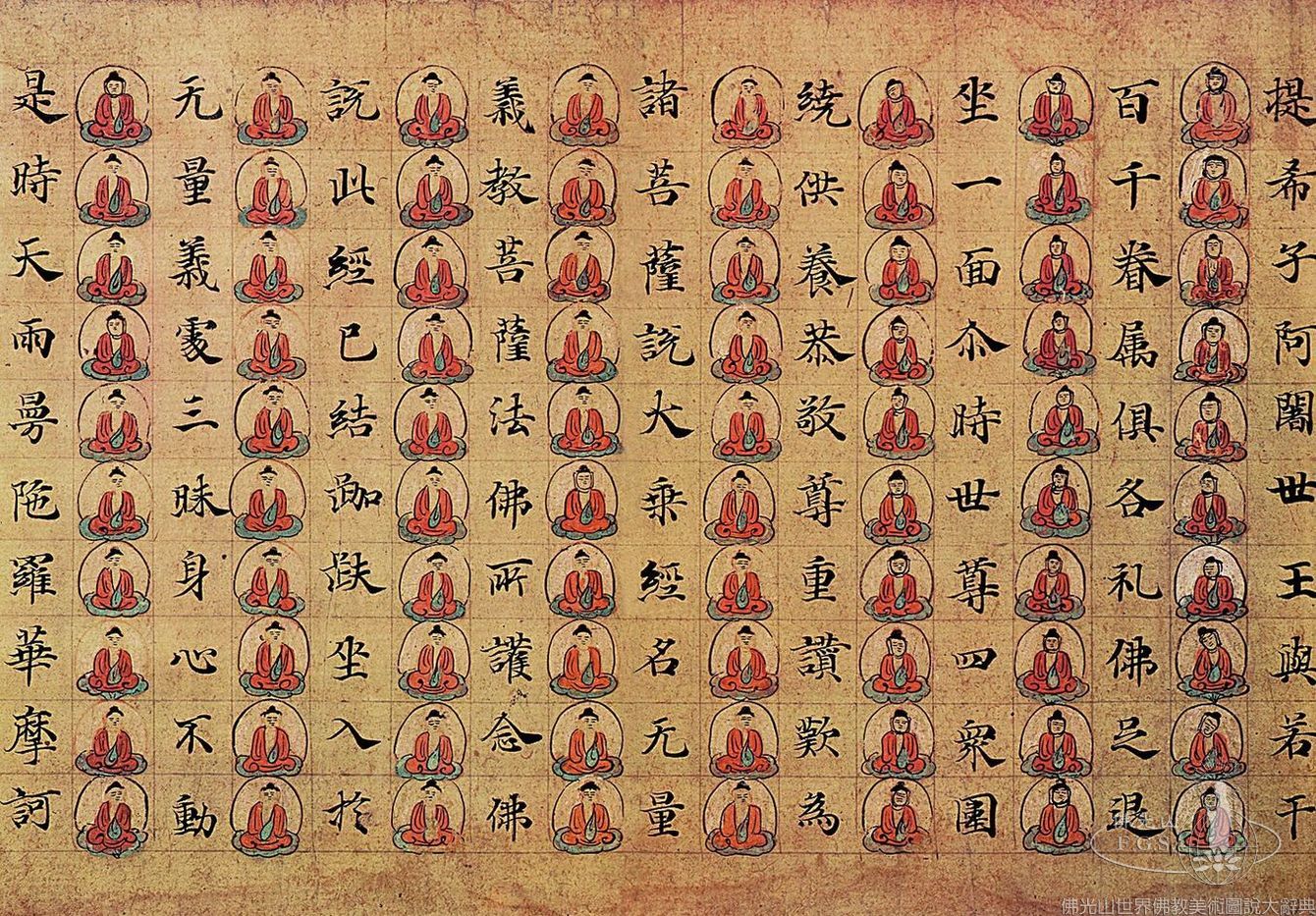
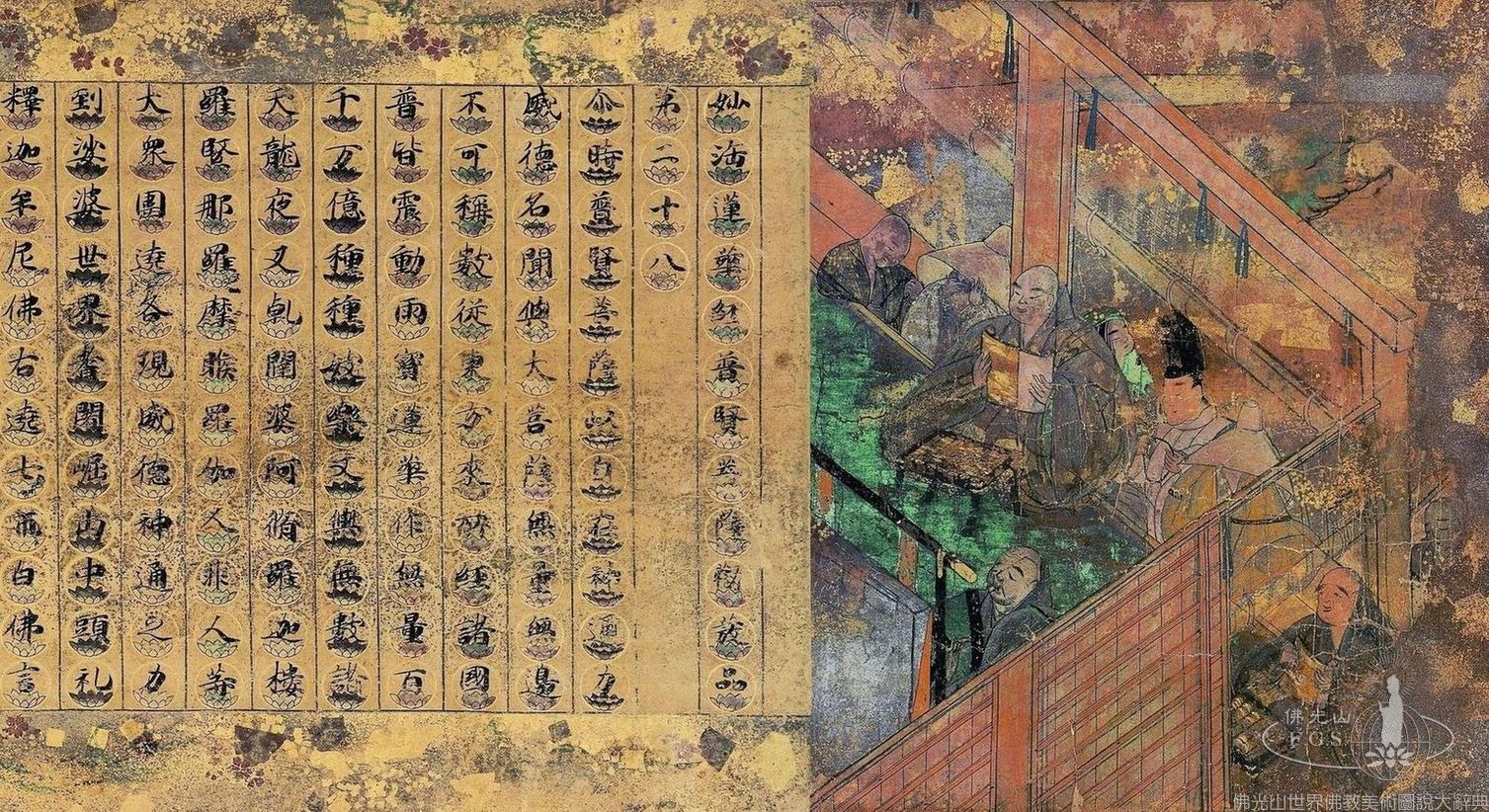
Due to the widespread belief in the Age of Dharma Decline during the late Heian period (794-1185), making donations to Buddhist temples and organizing Dharma activities became popular among the many Japanese people who aspired to be reborn in the Pure Land. Copying sutras was also favored, leading to the creation of many different kinds of illustrated texts. Some of the different styles included depictions of each character of the Lotus Sutra beside a Buddha image or atop a lotus. This could have been inspired by a Tang dynasty (618-907) text that described each character of the Lotus Sutra as a Buddha. Many of the illustrated sutras from the 11th and 12th centuries have survived, including these examples held by the Museum Yamato Bunkakan in Nara and Zentsuji Temple in Kagawa.
The illustrated manuscript kept by the Museum Yamato Bunkakan was listed as a National Treasure in 1952. The first image on the scroll of the Chapter on the Encouragement of Samantabhadra " is of a group of monastics sitting in a wooden building chanting sutras |