 |
Zhaohua Temple Great Hero Hall: Water and Land Dharma Service Murals
|
| |
 |
Zhaohua Temple Great Hero Hall: Water and Land Dharma Service Murals
|
| |
 |
Zhaohua Temple Great Hero Hall: Water and Land Dharma Service Murals
|
| |
 |
Zhaohua Temple Great Hero Hall: Water and Land Dharma Service Murals
|
| |
 |
Zhaohua Temple Great Hero Hall: Water and Land Dharma Service Murals
|
| |
 |
Zhaohua Temple Great Hero Hall: Water and Land Dharma Service Murals
|
| |
 |
Zhaohua Temple Great Hero Hall: Water and Land Dharma Service Murals
|
| |
 |
Zhaohua Temple Great Hero Hall: Water and Land Dharma Service Murals
|
| |
 |
Zhaohua Temple Great Hero Hall: Water and Land Dharma Service Murals
|
| |
|
Zhaohua Temple Great Hero Hall: Water and Land Dharma Service Murals
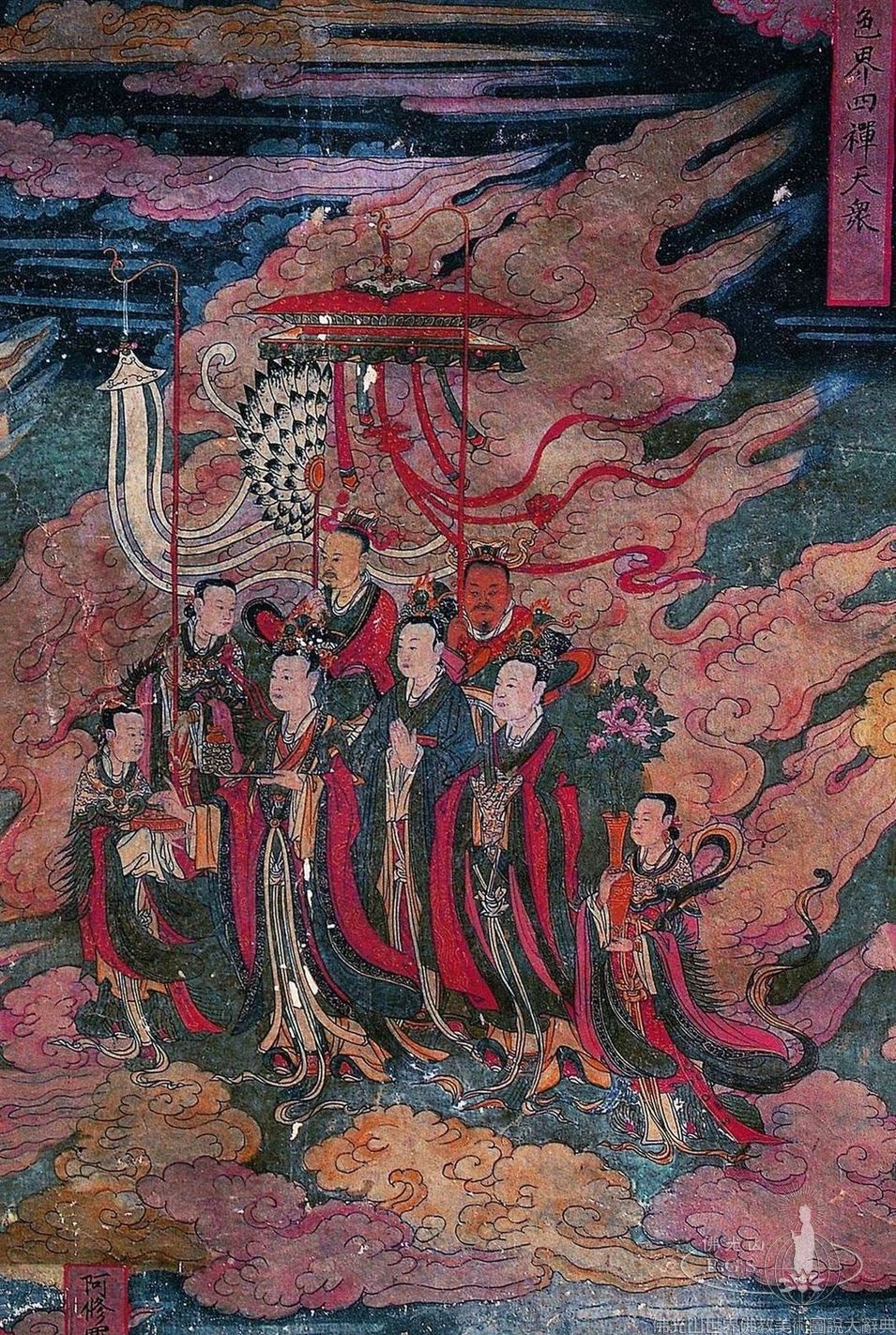
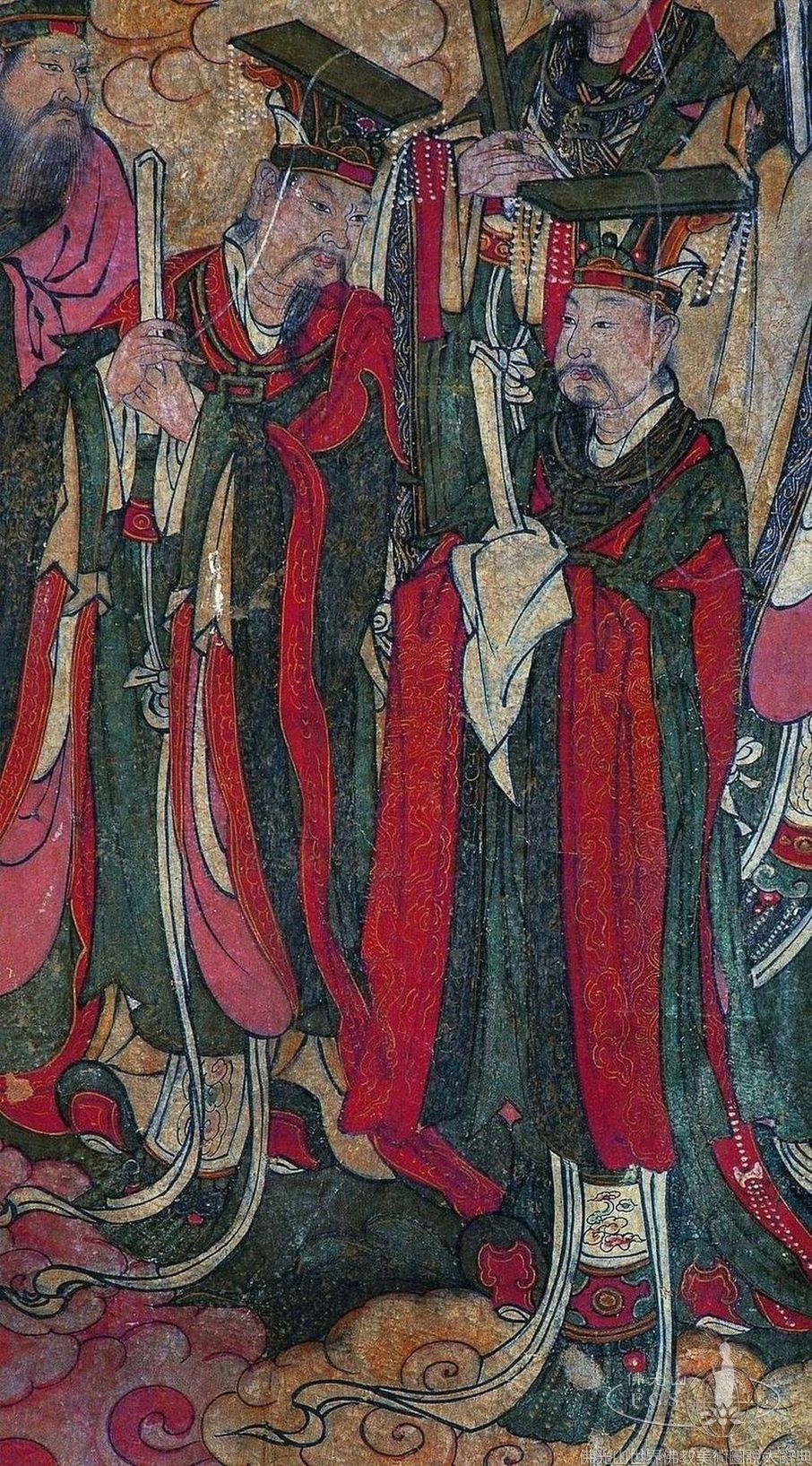
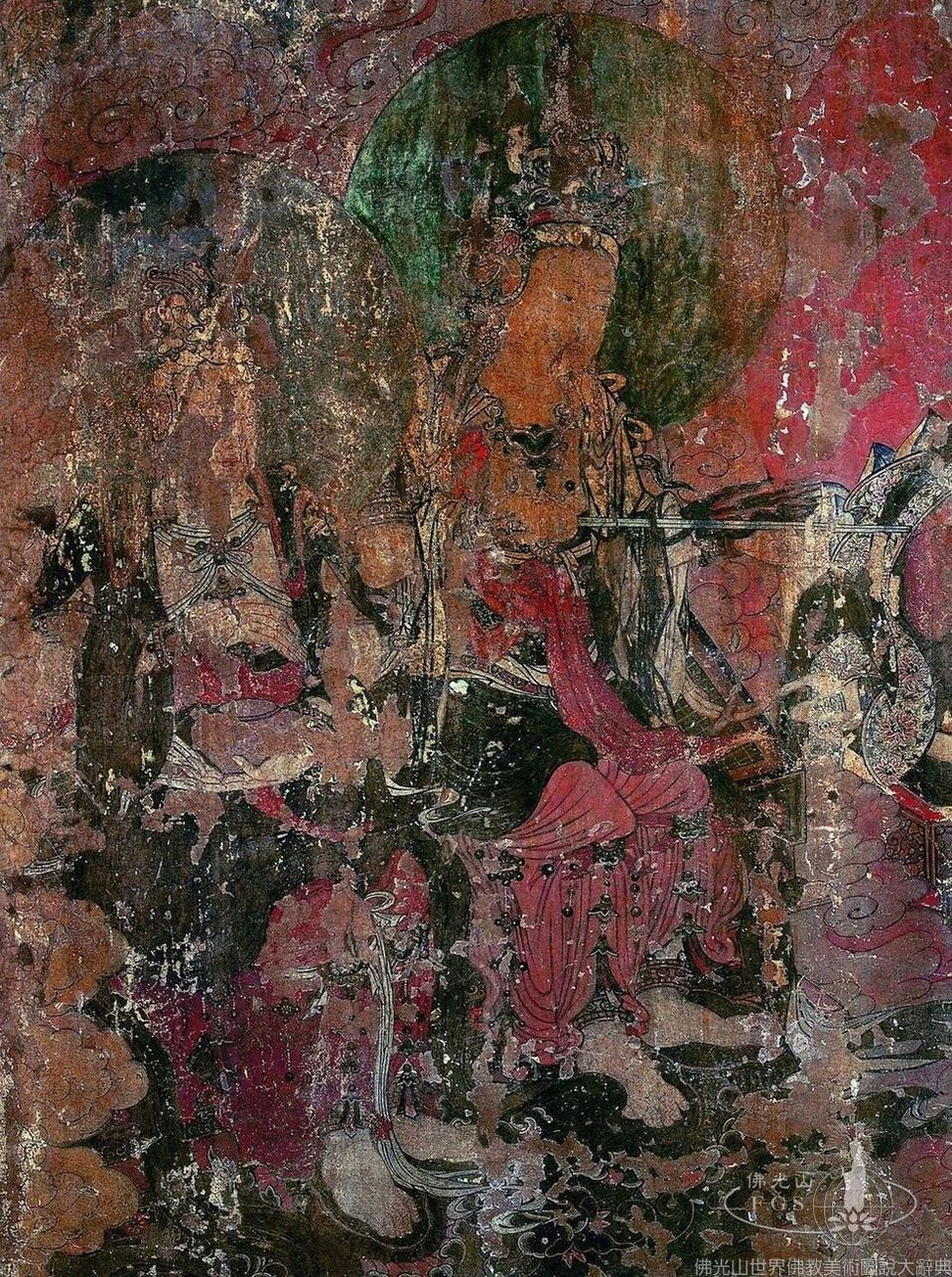
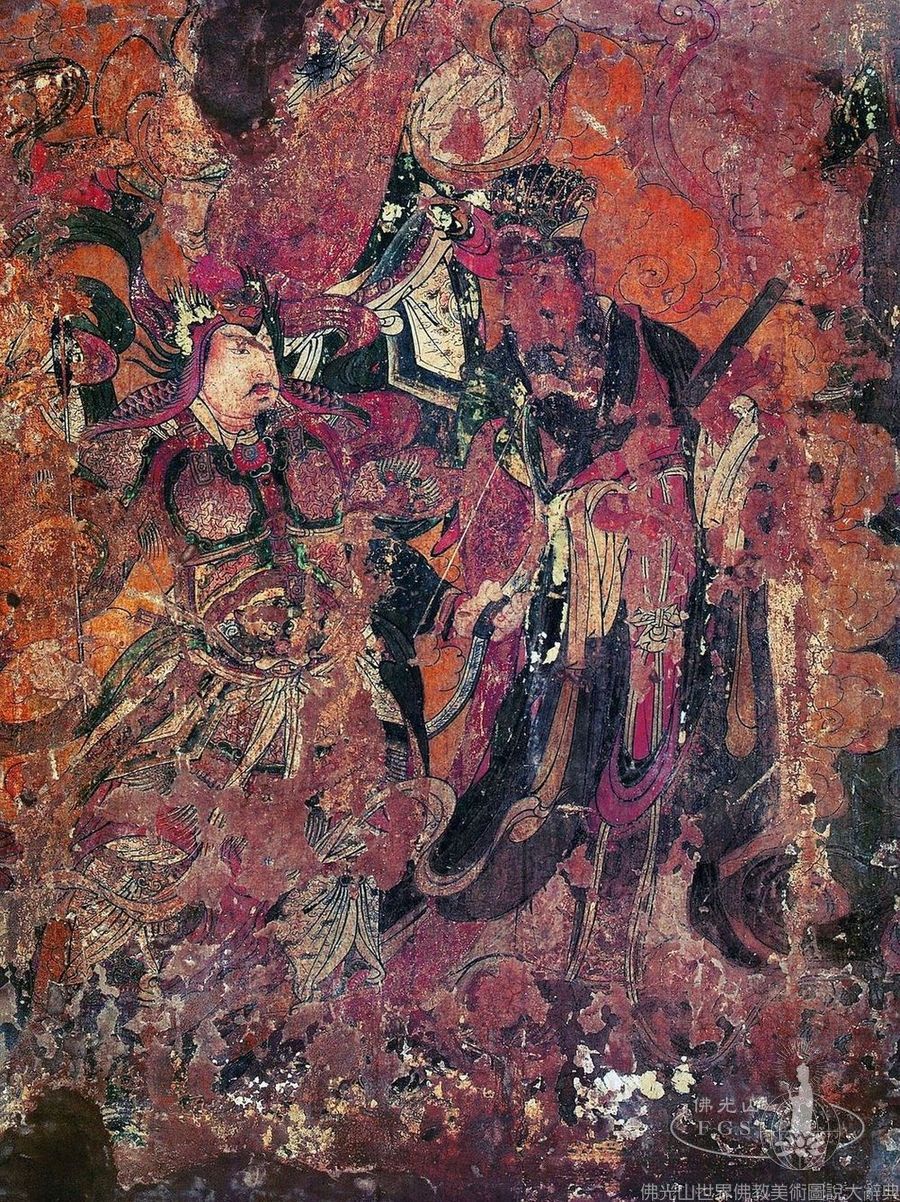
CHINA, Hebei, Zhangjiakou; Ming dynasty (1368–1644), dated 1562
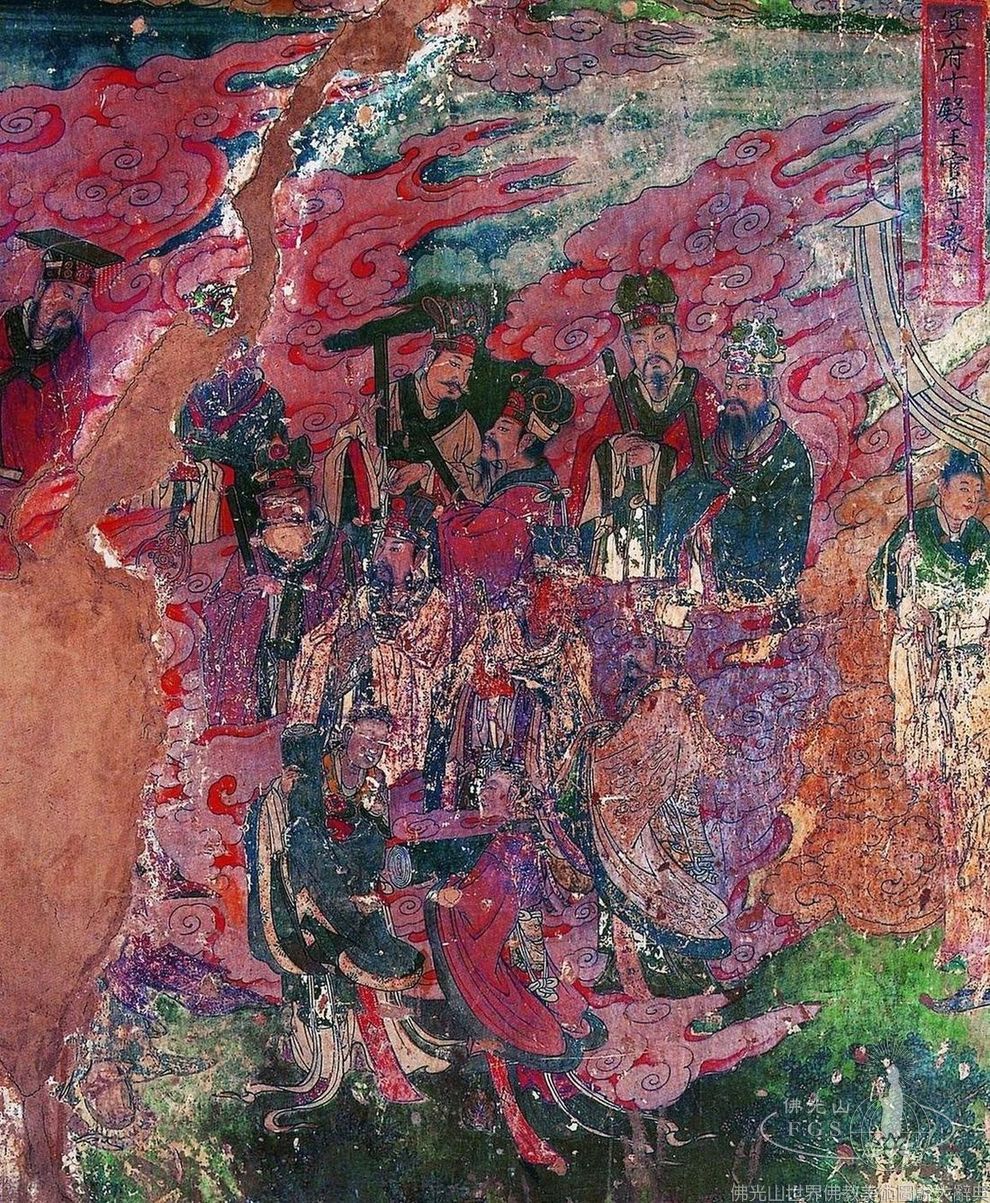
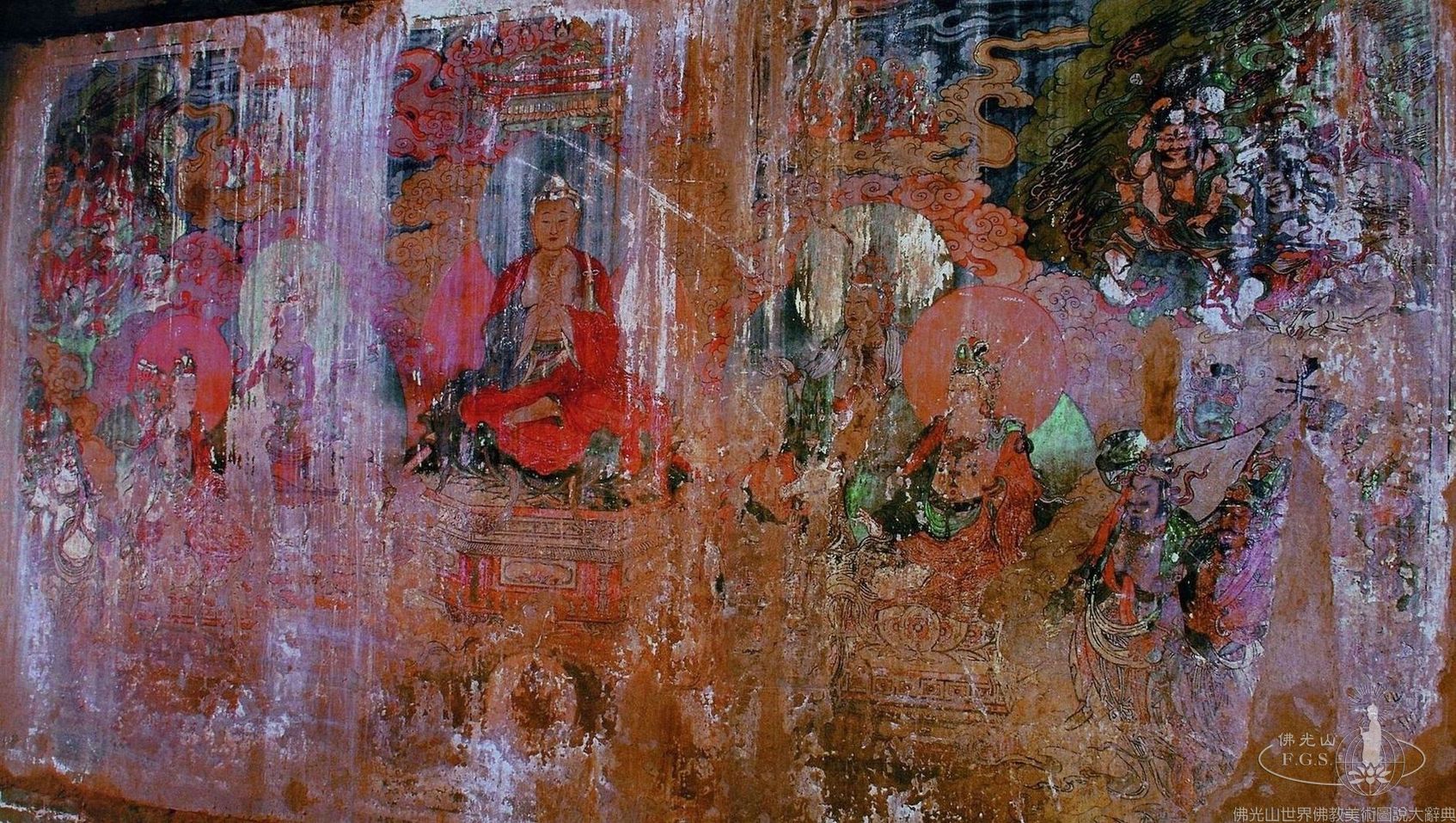
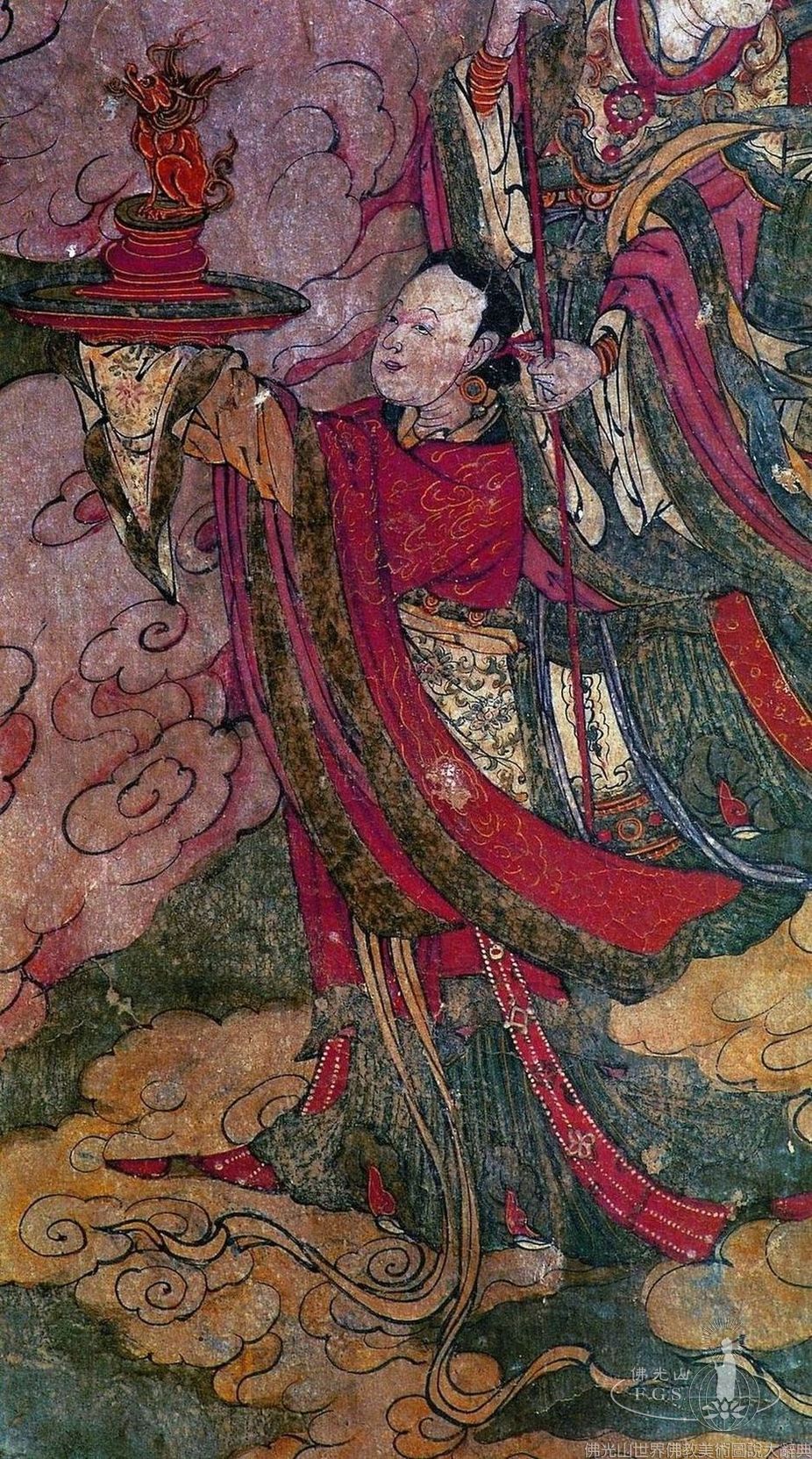
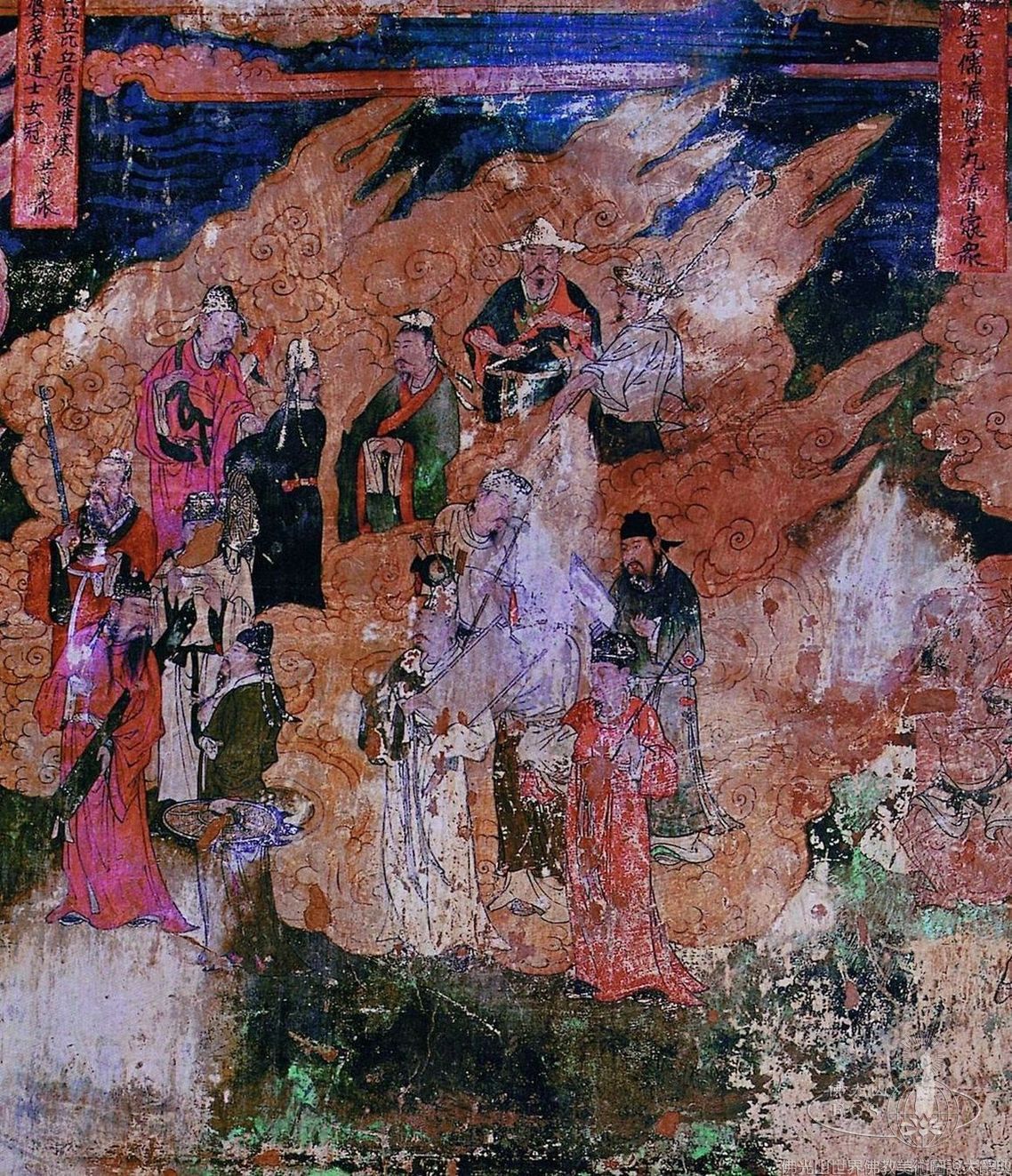
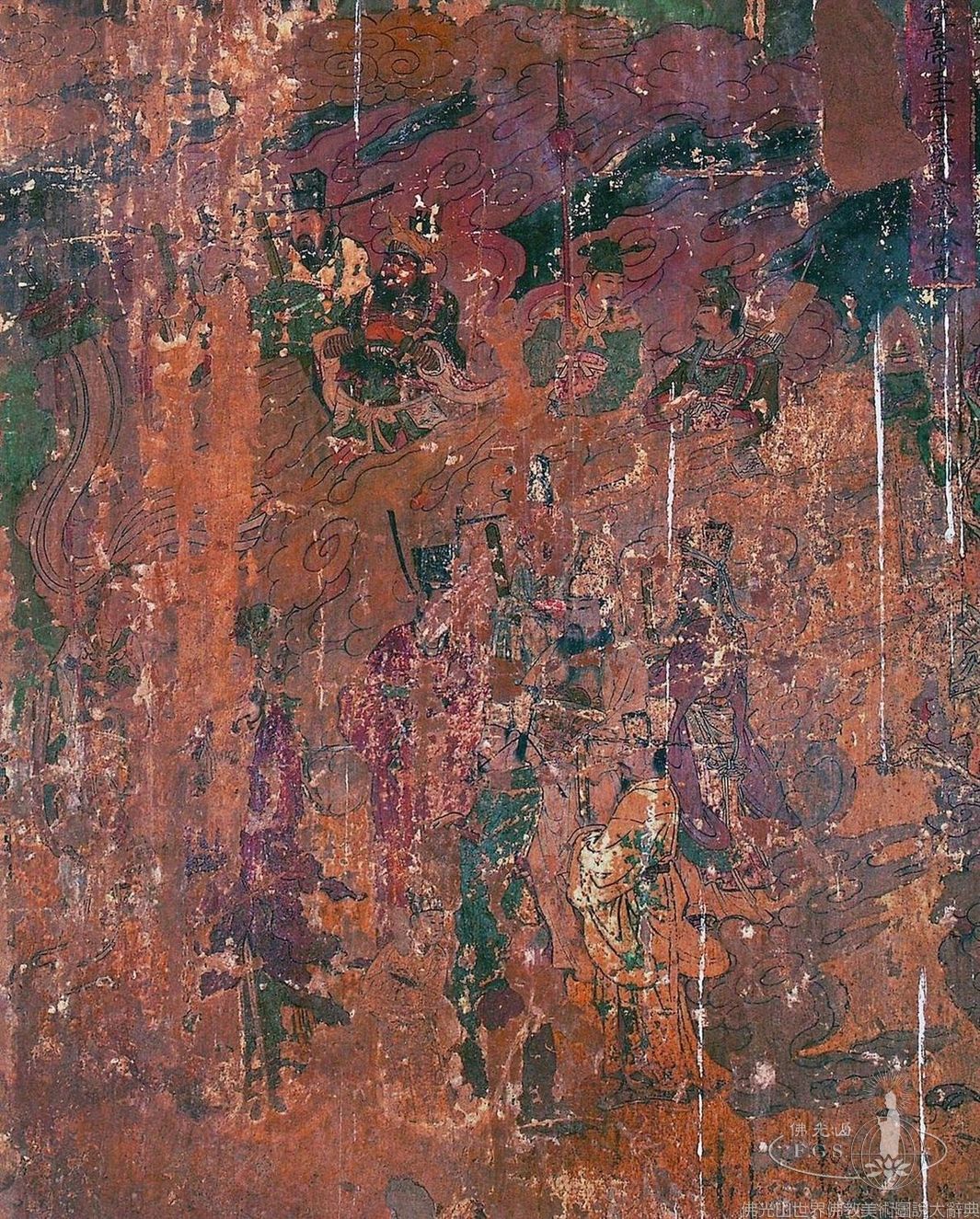
The four walls of the south-facing Great Hero Hall of Zhaohua Temple are decorated with murals covering a surface area of 93.566 sq m. On the left above the figure of Vajrapanibalin on the south wall, there is an inscription naming the artists and dating the murals to 1562, providing a valuable reference for research and the authentication of other Ming dynasty (1368-1644) Water and Land Dharma Service murals.
The figures in the Water and Land Dharma Service are traditionally divided into upper and lower halls. The upper hall is for Buddhas, Bodhisattvas, Sravakas, Pratyekabuddhas, Wisdom Kings, Dharma protectors, and heavenly beings. The lower hall contains sentient beings from the formless realm, the realm of form, and the realm of desire, as well as the Nine Luminaries, the Twelve Zodiac Deities, the Twenty-Eight Mansions, the Dragon Kings of the Four Seas, the Earth Deity, the City Deity, and the Kings of Hell. In these murals, the figures from the upper hall are much larger in size than those in the lower hall. One of the seated Buddhas is 100 cm high, a seated Bodhisattva is 80 cm high, and the Dharma protectors are all 100 cm in height. In comparison, the figures from the lower hall range from 8 cm to 50 cm in height.
There is an illustration on each side of the door in the center of the north wall, 22 images in two rows on the east wall, 21 in two rows on the west wall, and two on the south wall. Inscriptions beside each illustration explain the content. Figures from the upper hall such as Buddhas, Bodhisattvas, Wisdom Kings, and Vajrapanibalins are depicted on the north wall. Arhats, eminent monastics, the Jade Emperor, heavenly beings of the three realms, Arctic Emperor Ziwei, and other heavenly emperors are depicted in the upper register of the east wall. In the lower register there are illustrations of asuras, raksasas, and the Ten Kings of Hell, as well as portrayals of deceased beings including kings, members of the royal family, officials, monastics, lay Buddhists, Daoist priests, scholars, philosophers, and artists.
The Heavenly Mother of Earth, Sakra and other heavenly beings from Trayastrimsa Heaven, Brahma, Seven Stars of the North Dipper, Wind Deity, Rain Deity, Thunder Deity, Lightning Deity, and various Dragon Deities are painted in the upper register of the west wall. In the lower register, there are historical human figures such as queens, concubines, court women, heroic women, and filial descendents, and the wandering spirits of those who have died in harsh conditions far away from home, died wrongful deaths, or committed suicide. Two Vajrapanibalins are depicted on the doors in the south wall.
The figures stand in groups against a background of colorful clouds. Depicted with fine, flowing lines, they have vivid expressions and are dressed in colorful clothing. Bright reds and greens are complemented by shades of black and yellow. Plaster embossing and the use of the wash technique add depth to the images. Skillfully painted and well preserved, the murals are one of the finest Ming dynasty illustrations of the Water and Land Dharma Service. |