 |
Uku Temple
|
| |
|
Uku Temple
NEPAL, Patan
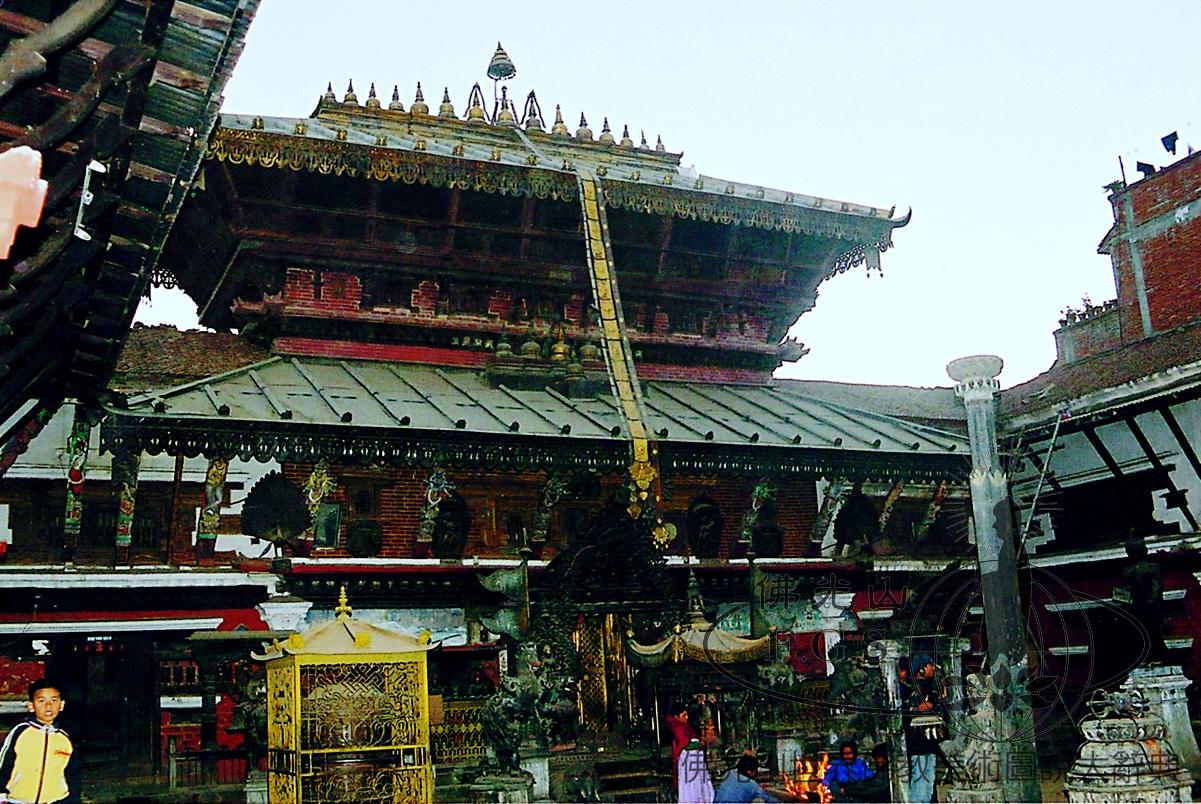
Uku derives from the Newari word Wakuli, which means South-East. Variations in spelling include Oku, Okuli, Unkuli, Wankuli, and Wanku. The Sanskrit name is Shiva Dev Samskarita Rudravarna Mahavihara, and it is sometimes referred to as the Temple of Animals, due to the various animal figures located within the temple. It is one of the oldest and best preserved temples in Patan. It has the second largest sangha and the greatest number of temple branches in the Kathmandu Valley. It is said that the temple was constructed in the 6th century by King Shivadeva I (reigned 590-604) of Lichhavi with renovations undertaken by King Rudravarna (reign years unknown). However, according to written records, the year of its construction can only be traced back to the beginning of the 12th century. It was reconstructed after the earthquake in 1934.
The temple complex consists of two courtyards. Facing north, the main gate is located on the street and is guarded by two large stone lions. After passing through the main gate there is the front courtyard, which is called U Baha Gathica. In the middle of the courtyard there are two small shrines facing each other with a stupa in between them. These shrines contain images of Aksobhya Buddha and Padmapani Lokesvara.
The main courtyard is entered through an arched doorway, which is flanked by stone lions resting on elephants, which in turn rest on tortoises. There are Avalokitesvaras on top of the lions. The wooden tympanum above the doorway dates from 1982 and has images of Aksobhya Buddha, Prajnaparamita and Avalokitesvara Bodhisattvas, symbolizing the Triple Gem of the Buddha, Dharma, and Sangha.
The main shrine is located on the southern side of the main courtyard. It consists of three stories with two eaves. Above the doorway there are exquisite repouss |