 |
Tongdosa Temple Vulture Peak Hall: Life of the Buddha - Eight Great Events
|
| |
 |
Tongdosa Temple Vulture Peak Hall: Life of the Buddha - Eight Great Events
|
| |
 |
Tongdosa Temple Vulture Peak Hall: Life of the Buddha - Eight Great Events
|
| |
 |
Tongdosa Temple Vulture Peak Hall: Life of the Buddha - Eight Great Events
|
| |
 |
Tongdosa Temple Vulture Peak Hall: Life of the Buddha - Eight Great Events
|
| |
 |
Tongdosa Temple Vulture Peak Hall: Life of the Buddha - Eight Great Events
|
| |
 |
Tongdosa Temple Vulture Peak Hall: Life of the Buddha - Eight Great Events
|
| |
 |
Tongdosa Temple Vulture Peak Hall: Life of the Buddha - Eight Great Events
|
| |
|
Tongdosa Temple Vulture Peak Hall: Life of the Buddha - Eight Great Events
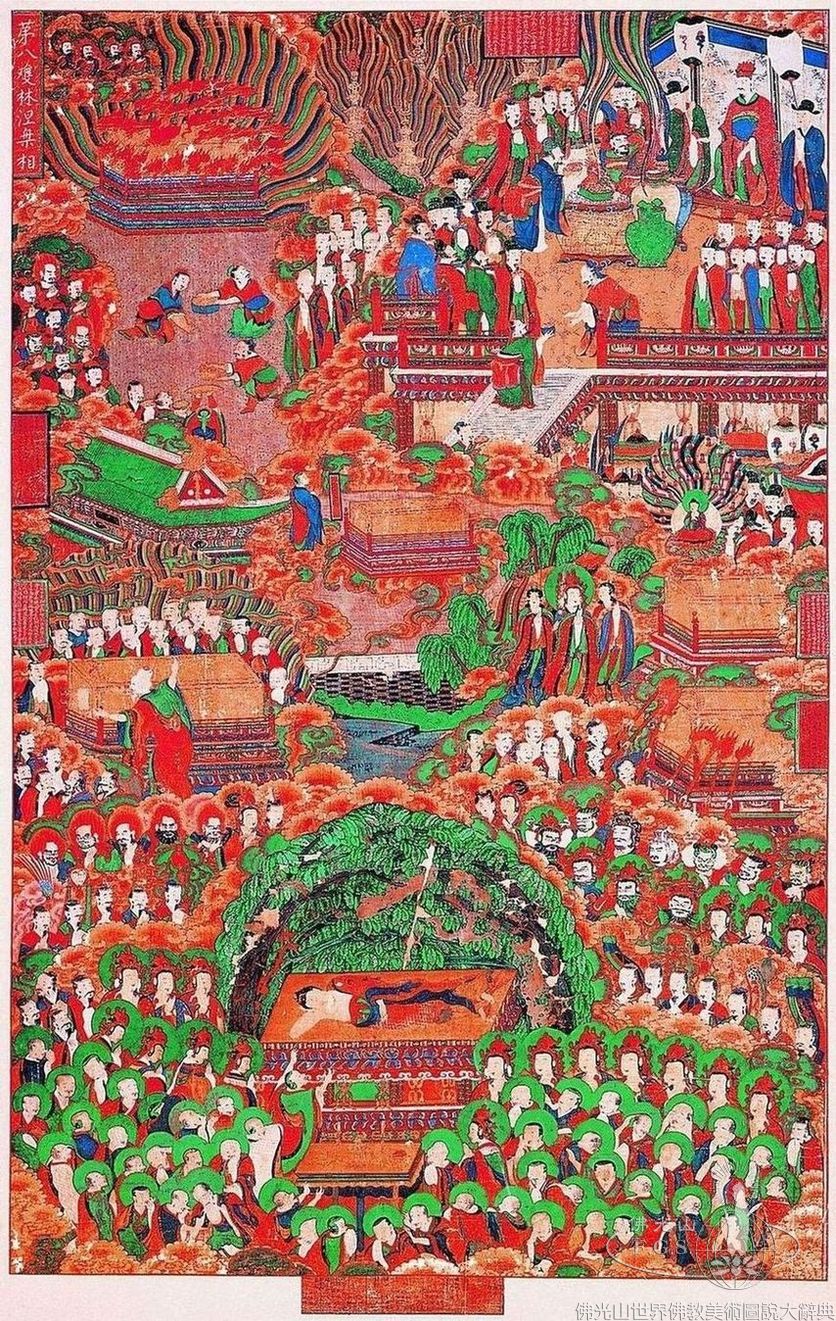
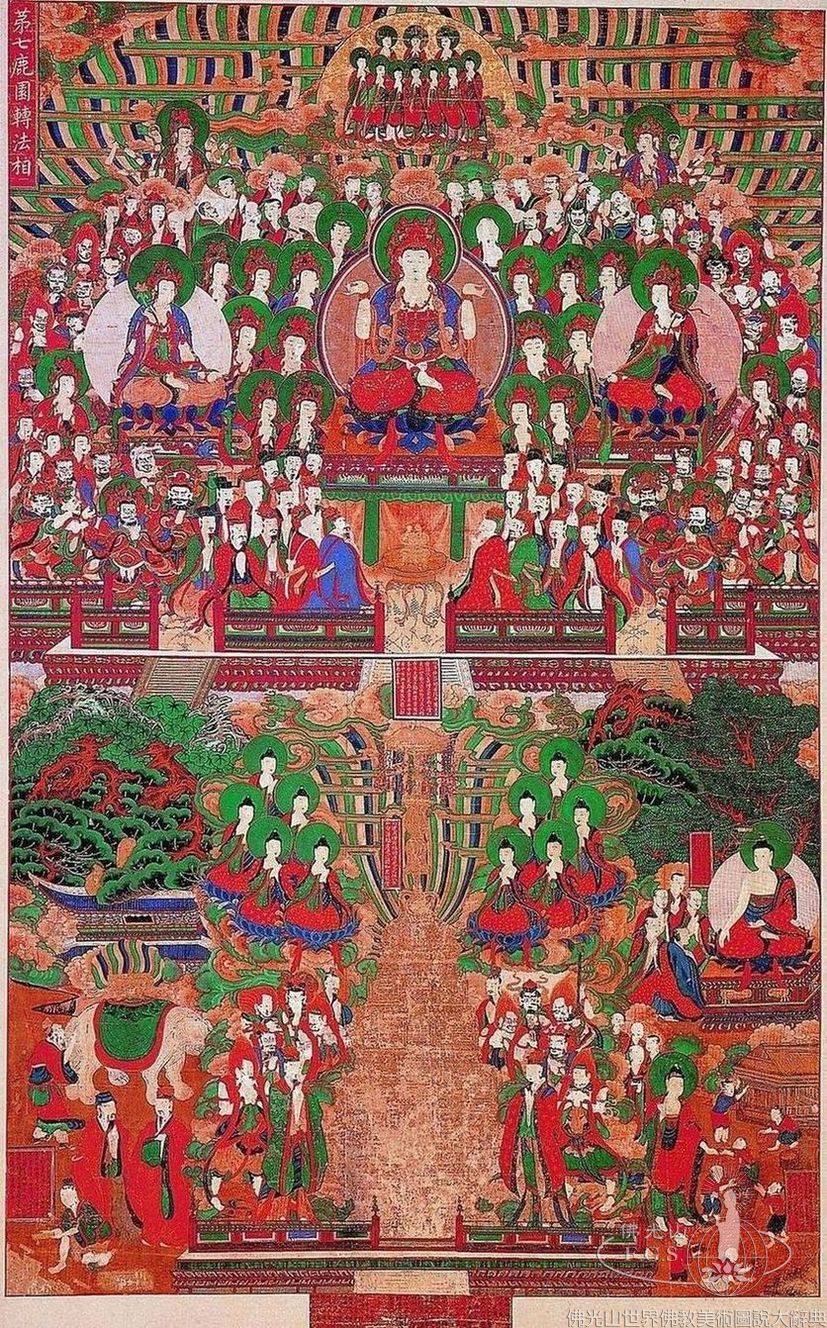
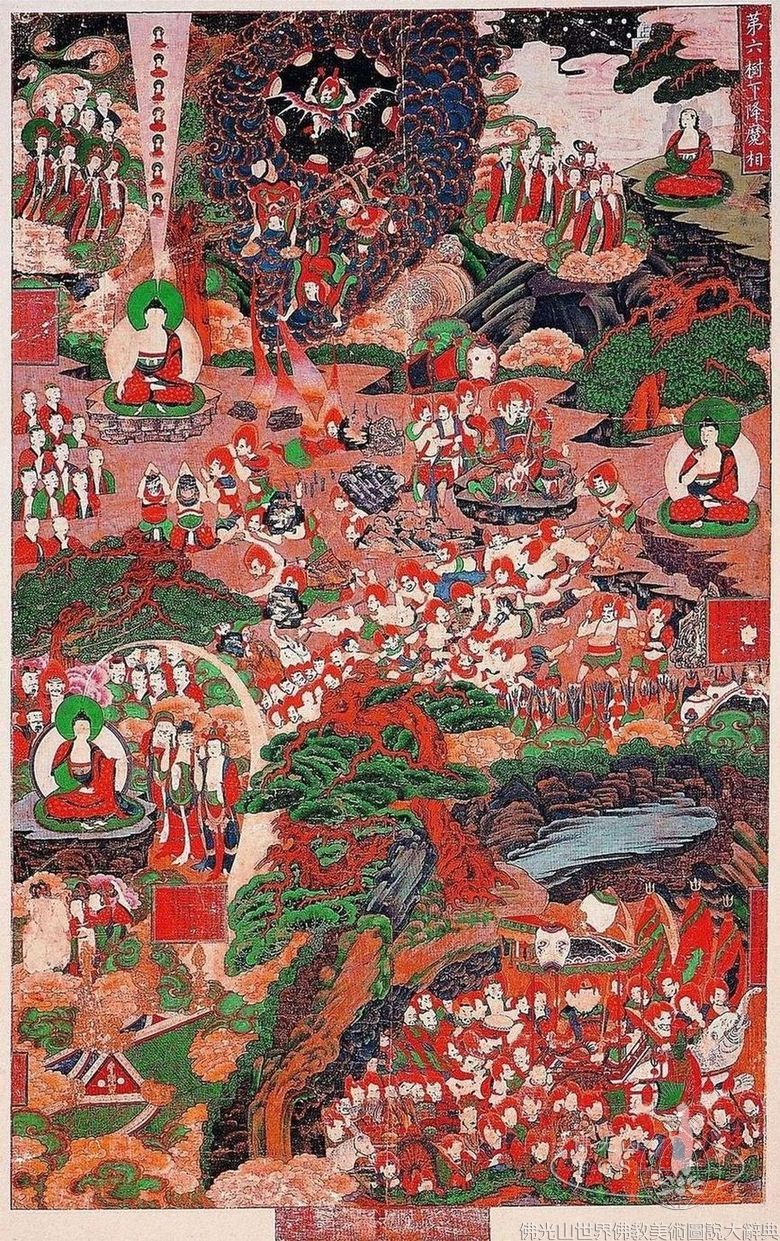
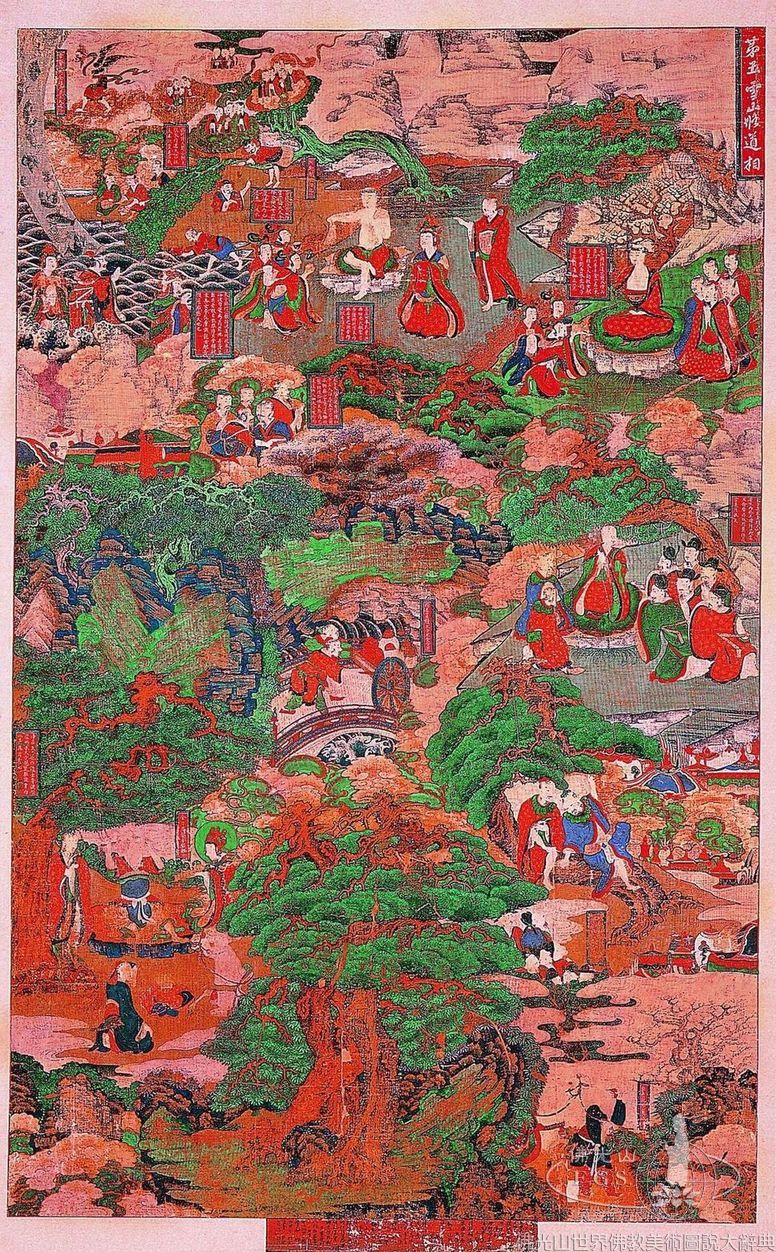
SOUTH KOREA, South Gyeongsang, Yangsan; Joseon dynasty (1392–1910), dated 1775; Ink and color on silk; 233.5 x 151 cm
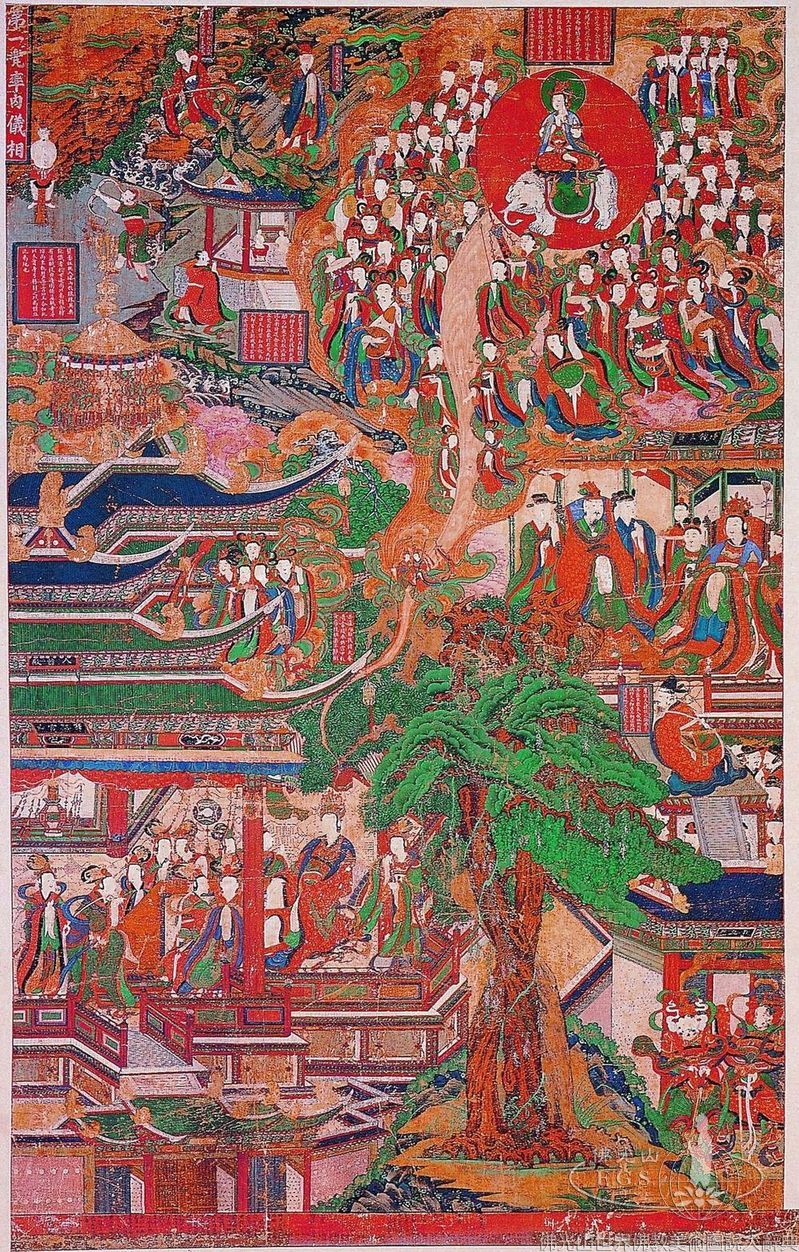
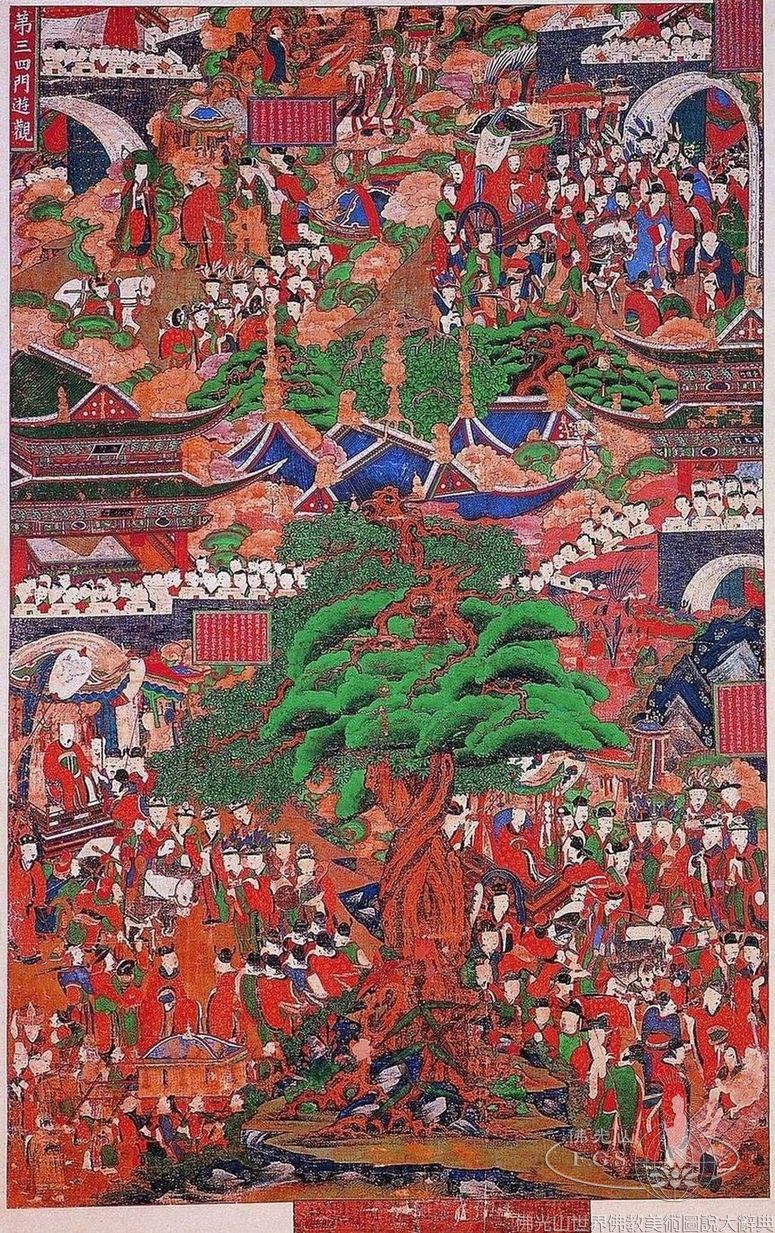
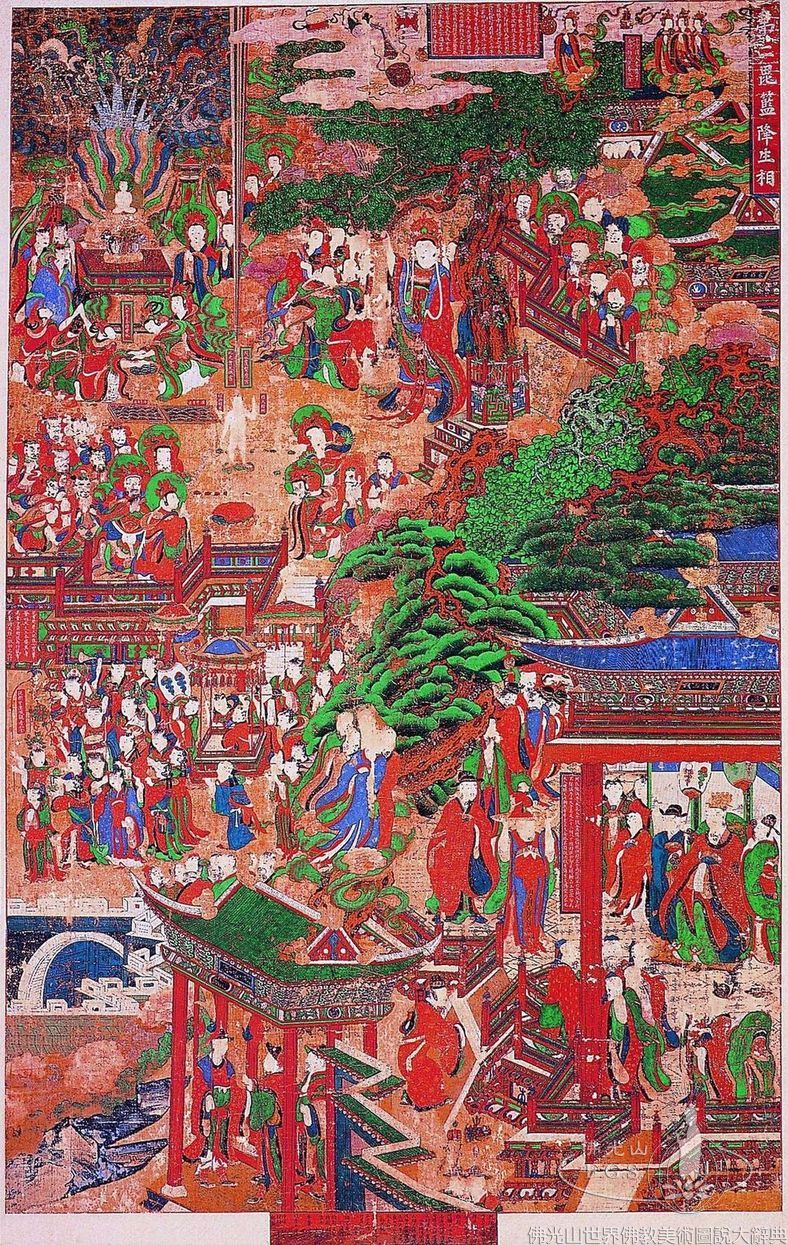
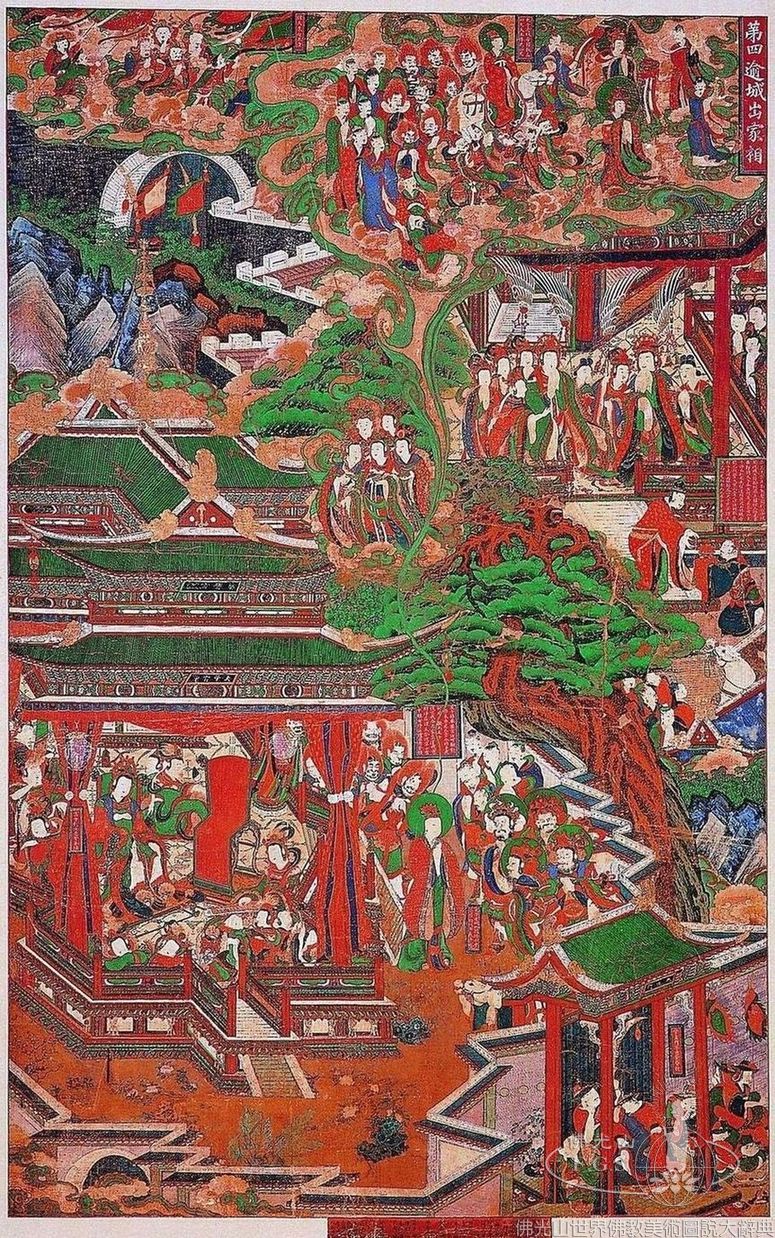
This set of eight pictures depicting the Eight Great Events in the Life of the Buddha is kept in the Vulture Peak Hall at Tongdosa Temple. Each picture is 233.5 cm in height and 151 cm in width. In 1990, the set was listed as Treasure No. 1041.
The paintings are filled with buildings, natural landscapes, and small figures. The series begins with a depiction of the Buddha descending from Tusita Heaven to enter the womb of his mother, Queen Maya. In the next painting, the prince emerges from the right side of his mother and takes seven steps at birth. The picture of the Four Encounters shows the prince leaving the palace and meeting an old man, a sick man, a corpse, and a wandering ascetic. Troubled by these sights, the prince is shown in the next painting, the Great Departure, leaving the palace at night to seek the truth. Ascetic Practice in the Snowy Mountains portrays the prince's attempts to realize enlightenment through extreme deprivation and his realization that such efforts are fruitless. Next, the prince is shown beneath the Bodhi tree attaining enlightenment despite the distractions of Mara's army. The majestic scene in the painting of the First Turning of the Dharma Wheel is a symbolic representation of the first teaching given by the Buddha after his enlightenment. In the final painting, the Buddha passes into parinirvana, surrounded by mourning disciples and heavenly beings.
The paintings each contain several distinct scenes, illustrating multiple details from each story. Lines of colored light often radiate from the Buddha, symbolizing his great spiritual power. Many of the figures wear traditional Korean costumes, and there are depictions of folk musical instruments, distinctive structures, and other aspects of local life. The bright colors are well-harmonized, giving the paintings a majestic appearance. They are considered to be one of the finest representations of the Eight Great Events produced in Korea. |