 |
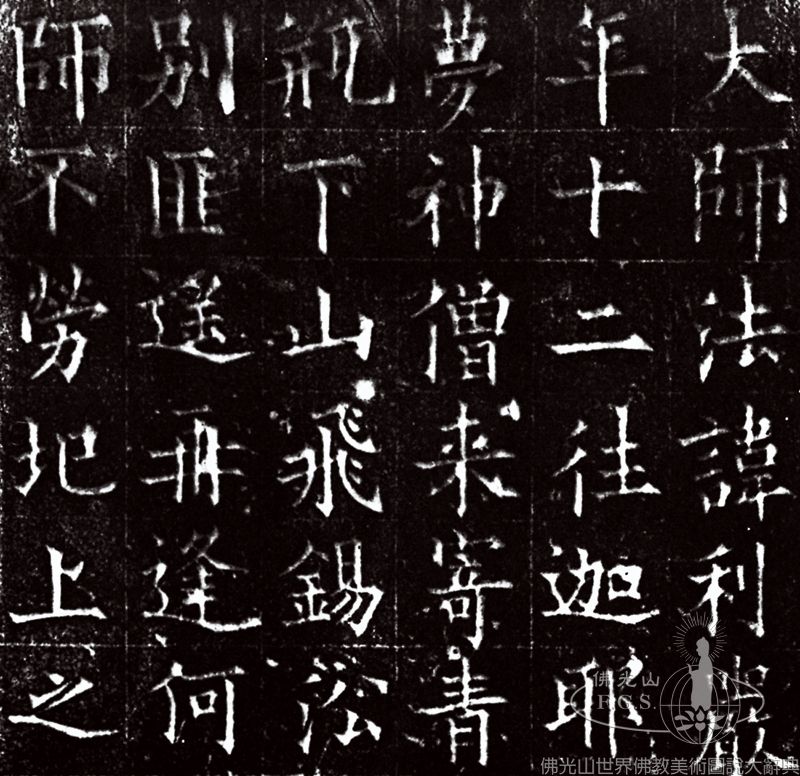
Kwangjosa Temple: Stele of Master Jincheol Stupa
|
| |
|
Kwangjosa Temple: Stele of Master Jincheol Stupa
NORTH Korea, South Hwanghae, Haeju; Goryeo dynasty (918–1392), dated 937; By Lee Hwansang; Regular script; Rubbing
This stele was erected at Kwangjosa Temple in Haeju, South Hwanghae. The inscription, composed by Choe Eon-Wui and written by the calligrapher Lee Hwansang, narrates the biography of Master Jincheol, an eminent monk of the late Unified Silla dynasty (668-935). Master Jincheol went to China in 897 and studied Buddhism under Master Yunju Daoying, subsequently visiting various Chan temples and masters. After he returned to Korea in 911, he received an order from King Taejo (reigned 918-943) of Goryeo dynasty to establish Kwangjosa Temple.
Lee Hwansang was a renowned calligrapher of the Goryeo dynasty (918-1392). The calligraphic inscription of this stele is rigorously structured, and often considered a remarkable imitation of Ouyang Xun's calligraphic style. Typical of Goryeo works, this inscription was influenced by Chinese calligraphers such as Ouyang Xun and Ouyang Tong of the Tang dynasty (618-907). The concise brushstrokes reflect Lee's mindfulness in preparing the stele, which was intended for a stupa to commemorate Master Jincheol. This respectable attention can be observed in stele inscriptions created during this period. |