 |
Jurinin Temple
|
| |
 |
Jurinin Temple
|
| |
|
Jurinin Temple
|
| |
 |
Jurinin Temple
|
| |
|
Jurinin Temple
JAPAN, Nara
Jurinin Temple belongs to the Daigo branch of the Shingon school of Buddhism. There are a few versions of the founding of the temple. One version is that it was commissioned by Empress Gensho (reigned 715-724) in the early 8th century. Another version is that this temple is a branch of the Gangoji Temple. The third version is that it was constructed by Master Kukai in the late 8th to early 9th century. In his Collection of Stone and Sand, 13th century Zen Master Muju discusses Jurinin Temple as a location housing a famous stone sculpture of Ksitigarbha Bodhisattva.
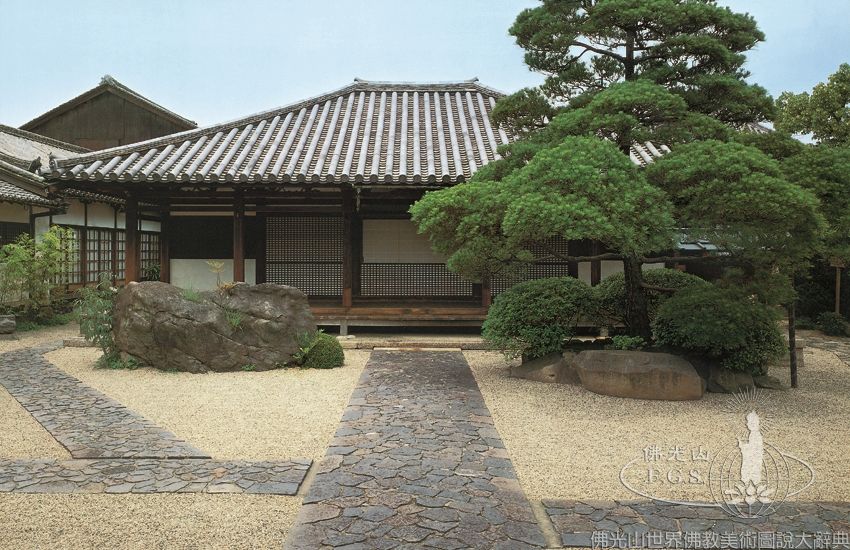
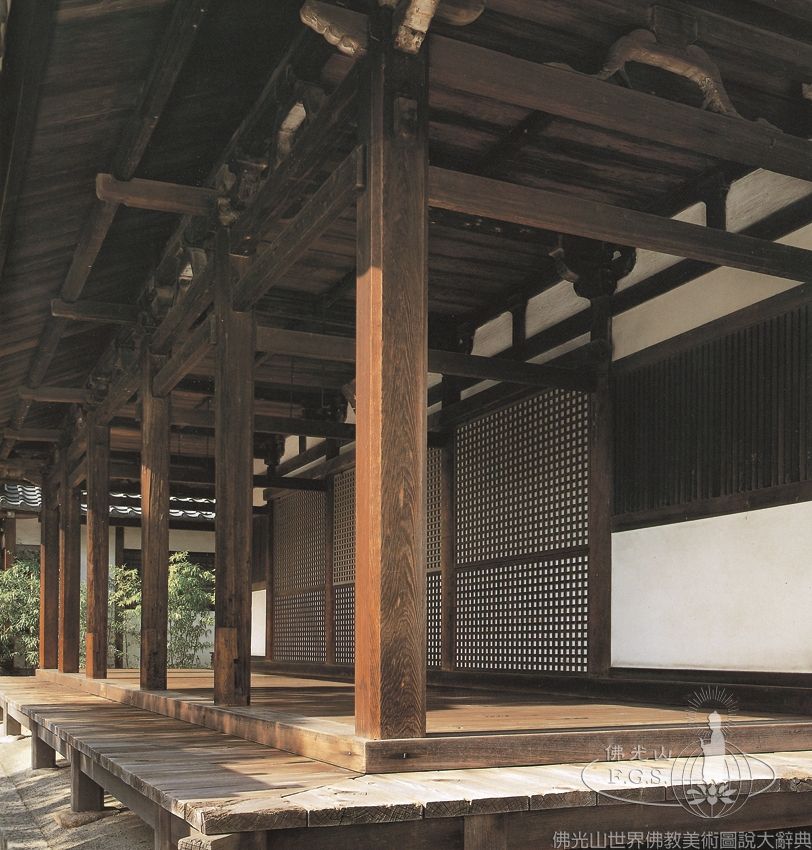
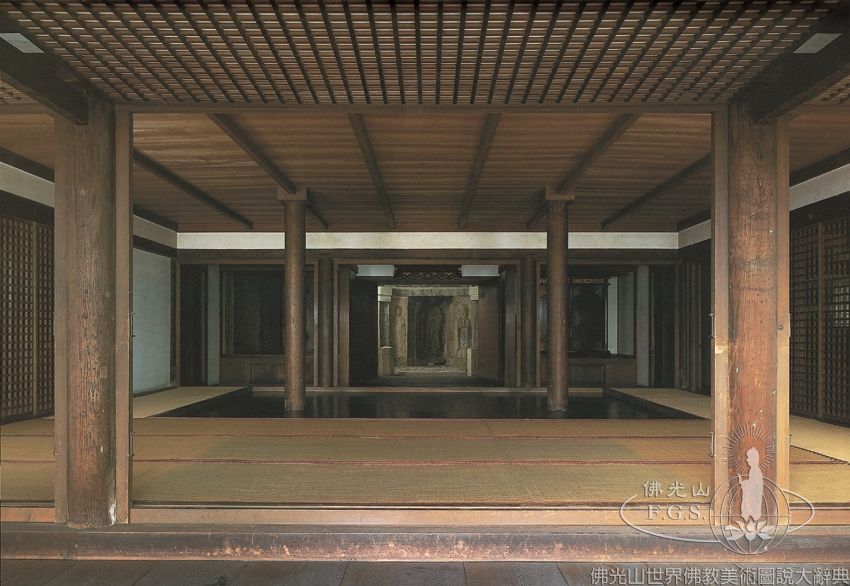
The main hall is a rectangular building which was listed as a National Treasure in 1958. It was used as a hall for ceremonies during the Edo period (1615-1868). The five-by-four bay structure has a single-eave hip roof covered with cylindrical tiles. There is a wide veranda surrounding the building with the extended eaves supported by columns. The gently sloping roof with its short ridge and simple design are features of architecture from the Kamakura period (1185-1333). Based on the style of the decorations on the eaves, the main hall is believed to have been built during the second half of the Kamakura period. The Ksitigarbha Bodhisattva Niche within the hall is listed as an Important Cultural Property. |