 |
Zishou Temple Arhat Hall: Sixteen Arhats
|
| |
 |
Zishou Temple Arhat Hall: Sixteen Arhats
|
| |
 |
Zishou Temple Arhat Hall: Sixteen Arhats
|
| |
 |
Zishou Temple Arhat Hall: Sixteen Arhats
|
| |
 |
Zishou Temple Arhat Hall: Sixteen Arhats
|
| |
 |
Zishou Temple Arhat Hall: Sixteen Arhats
|
| |
|
Zishou Temple Arhat Hall: Sixteen Arhats
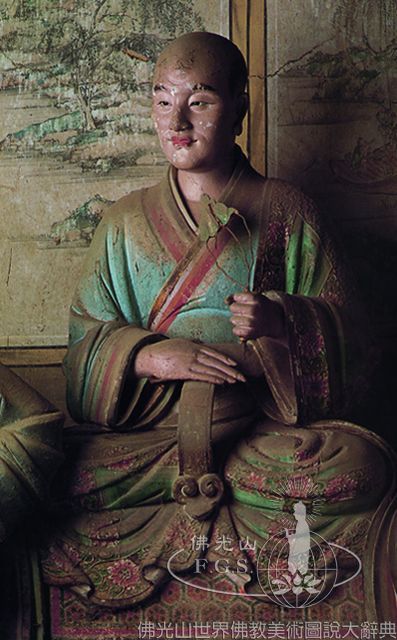
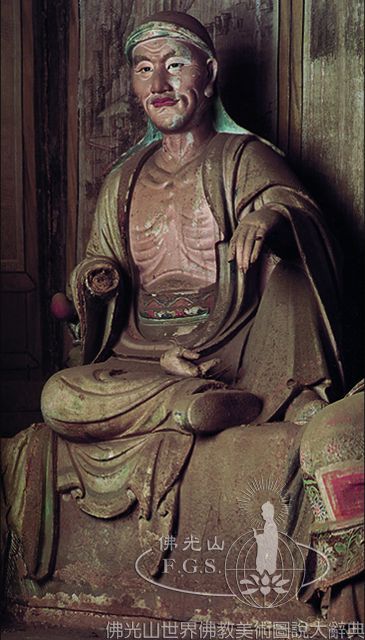
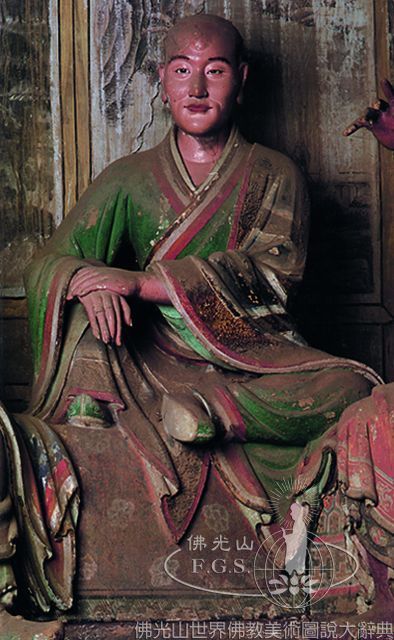
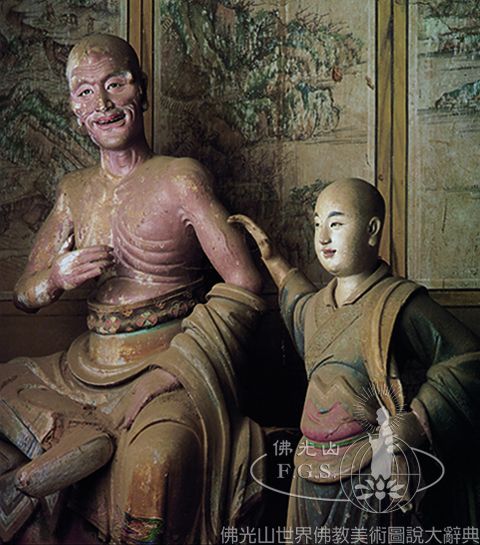
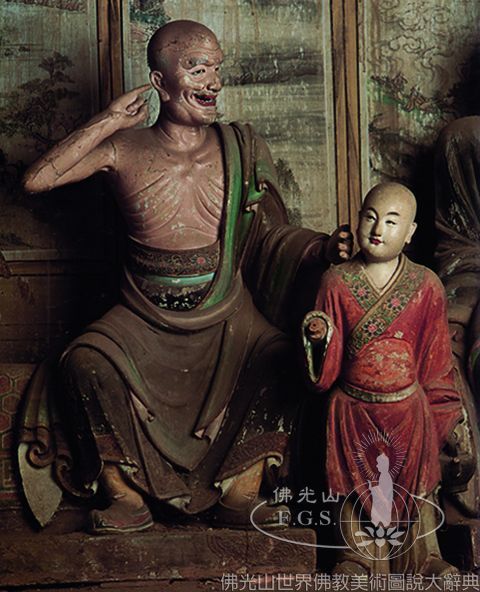
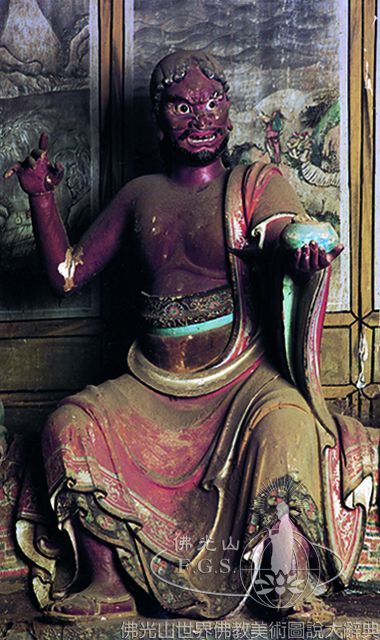
CHINA, Shanxi, Jinzhong; Ming dynasty (1368–1644); Clay; H: 110–127 cm
These Sixteen Arhats are located within the Arhat Hall at Zishou Temple. They date to the Ming dynasty (1368–1644). In general, there is no established iconography for Arhats so artists are often left to their own devices when portraying them. In some cases, they are almost similar to caricatures or have folk elements incorporated into them, while in others it has been suggested that monastics were used as models. The aim has always been to show variety. All the heads of the statues were stolen in 1993, but were acquired by the Aurora Foundation six years later and donated back to the temple.
The Arhats sit in various postures of ease rather than formally cross-legged. The older monks wear their robes opened or off the shoulder, revealing their emaciated bodies and wasted flesh, emphasizing ascetic practice. Some of the figures are accompanied by novice attendants, whose smiling faces add to the good humored impression that is portrayed as a whole. |