|
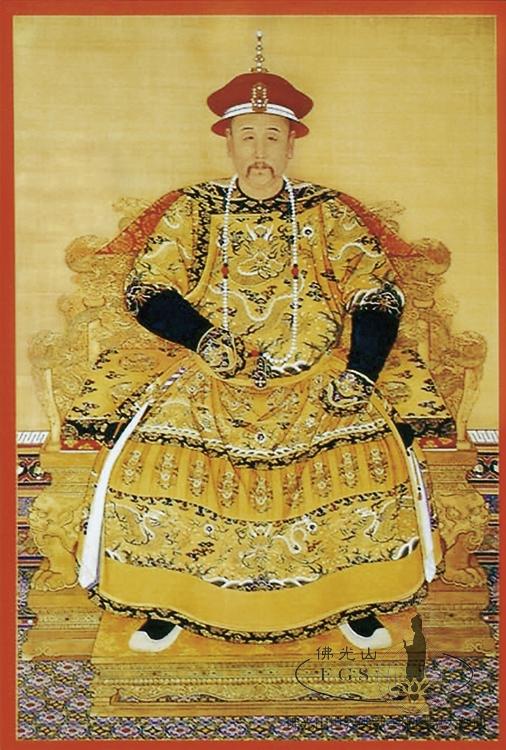
Emperor Yongzheng (1678-1735)
|
| |
 |
Emperor Yongzheng (1678-1735)
|
| |
 |
Emperor Yongzheng (1678-1735)
|
| |
 |
Emperor Yongzheng (1678-1735)
|
| |
 |
Emperor Yongzheng (1678-1735)
|
| |
|
Emperor Yongzheng (1678-1735)
CHINA, Beijing; Qing dynasty (1644–1911)
Emperor Yongzheng (reigned 1722-1735), whose name is Aisin Gioro Yinzhen, was the third emperor of the Qing dynasty (1644-1911), and the fourth son of Emperor Kangxi (1654-1722).
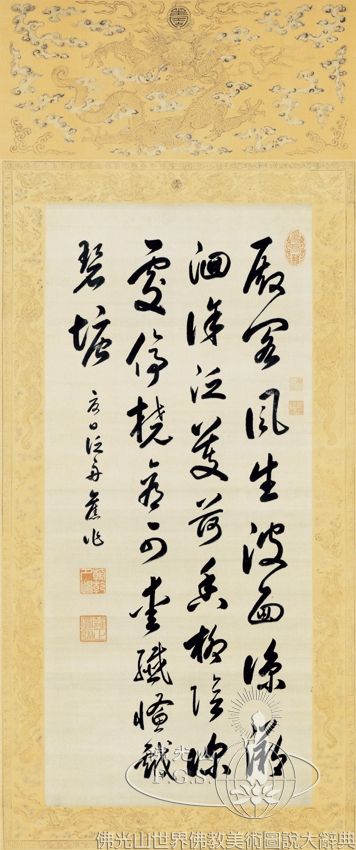
A devout Buddhist, Emperor Yongzheng commissioned the creation of numerous Buddhist statues and art, with a directive that the artist must be as respectful as the works they produced. He published Complete Collection of Illustrations and Writings from the Past and Present, which consisted of 10,000 fascicles making it the largest encyclopedia at the time. The emperor also completed the first draft of History of Ming. Calligraphic works by Emperor Yongzheng include Calligraphy Specimen of Siyitang and Boating on a Summer Day, which are retained at the Palace Museum in Beijing.
Monks were often invited to the palace to preside over Dharma services at which Emperor Yongzheng gave Dharma talks. In addition, he authored books on various topics of Buddhism. Changkya Khutukhtu, the spiritual leader of the Gelug school of Tibetan Buddhism, declared that Emperor Yongzheng had attained the state of great ease." Under his reign |