 |
Jetavana Monastery
|
| |
 |
Jetavana Monastery
|
| |
|
Jetavana Monastery
INDIA, Uttar Pradesh, Saheth
ne of Buddhism in India. The site was discovered by British archaeologist Alexander Cunningham in 1863.
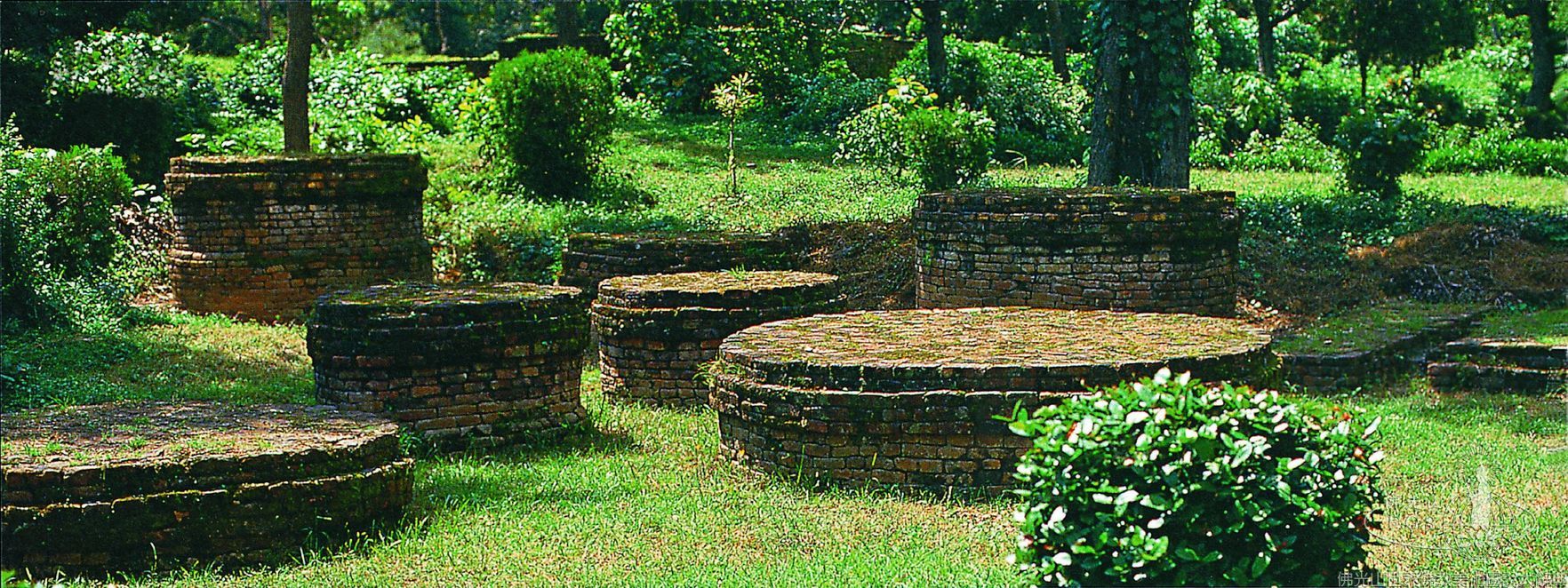
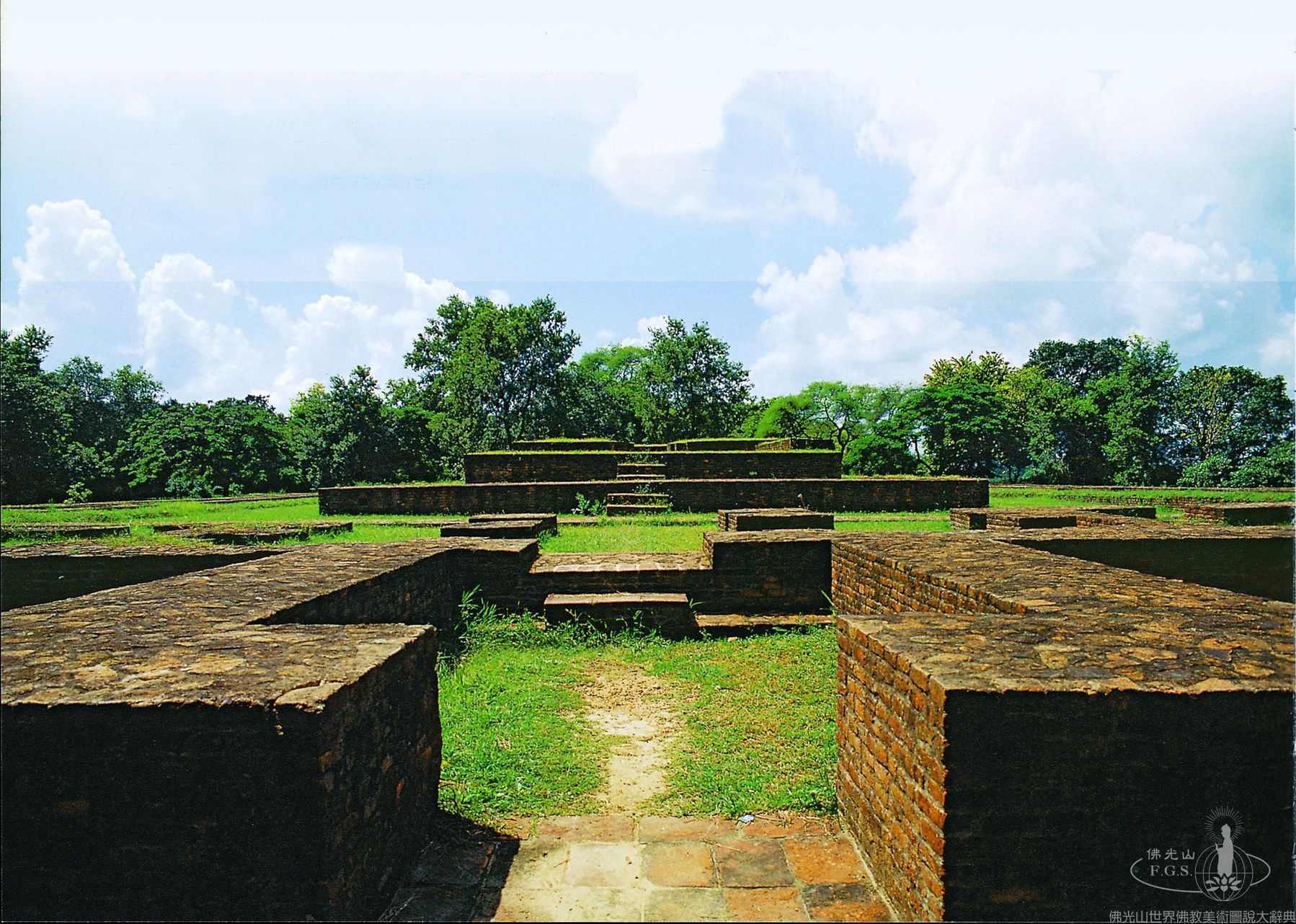
Currently Jetavana has been turned into a historical park covering an area of 13 ha. The park has been beautifully landscaped around the ruins of the monasteries, stupas, and other monuments, most of which are from the Kushan and Gupta periods. It is thought that the original monastery was located between the eastern and northern gateways. The remains include the brick foundations of monks’ cells, a lecture platform, and a well. Other important remains are the Ananda Bodhi Tree, Gandha Kuti, and Kosamba Kuti. The Ananda Bodhi Tree is located near the entrance, and it is said to have been planted at the request of Ananda, the Buddha’s attendent. The Gandha Kuti (Fragrant Chamber) is considered to be the Buddha’s chamber’s. The Kosamba Kuti, another chamber of the Buddha, is currently a rectangular area of low walls with the foundation of a circular stupa next to it. It is possibly the location of the seven-story building mentioned by Faxian.
It is stated in Buddhist texts that the Jetavana was originally a garden owned by Prince Jeta. The wealthy businessman Anathapindada wanted to select the best place to build a monastery so that the Buddha could teach the Dharma at Sravasti. He chose Prince Jeta’s garden as the location for the vihara, and purchased it at the price of covering the garden with gold pieces. The prince was deeply touched by his action and donated the trees in the garden. It is estimated that the Buddha spent 19 rainy season retreats at Jetavana. Many famous teachings were delivered at this location, including the Amitabha Sutra, Diamond Sutra, and many passages in Agama Sutra, as well as some Jataka stories. |