 |
Yong'an Temple Dharma Transmission Hall: Water and Land Dharma Service Murals
|
| |
 |
Yong'an Temple Dharma Transmission Hall: Water and Land Dharma Service Murals
|
| |
 |
Yong'an Temple Dharma Transmission Hall: Water and Land Dharma Service Murals
|
| |
 |
Yong'an Temple Dharma Transmission Hall: Water and Land Dharma Service Murals
|
| |
|
Yong'an Temple Dharma Transmission Hall: Water and Land Dharma Service Murals
CHINA, Shanxi, Datong; Ming dynasty (1368–1644)
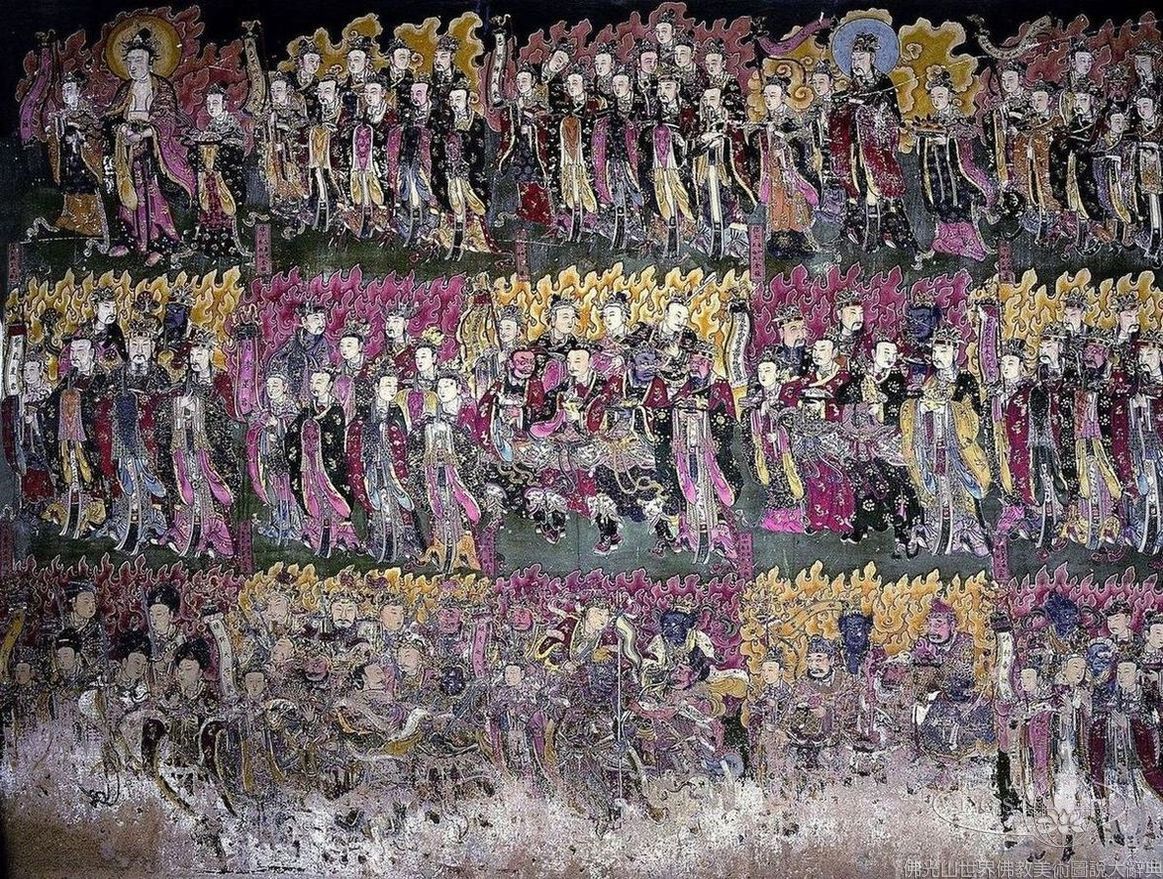
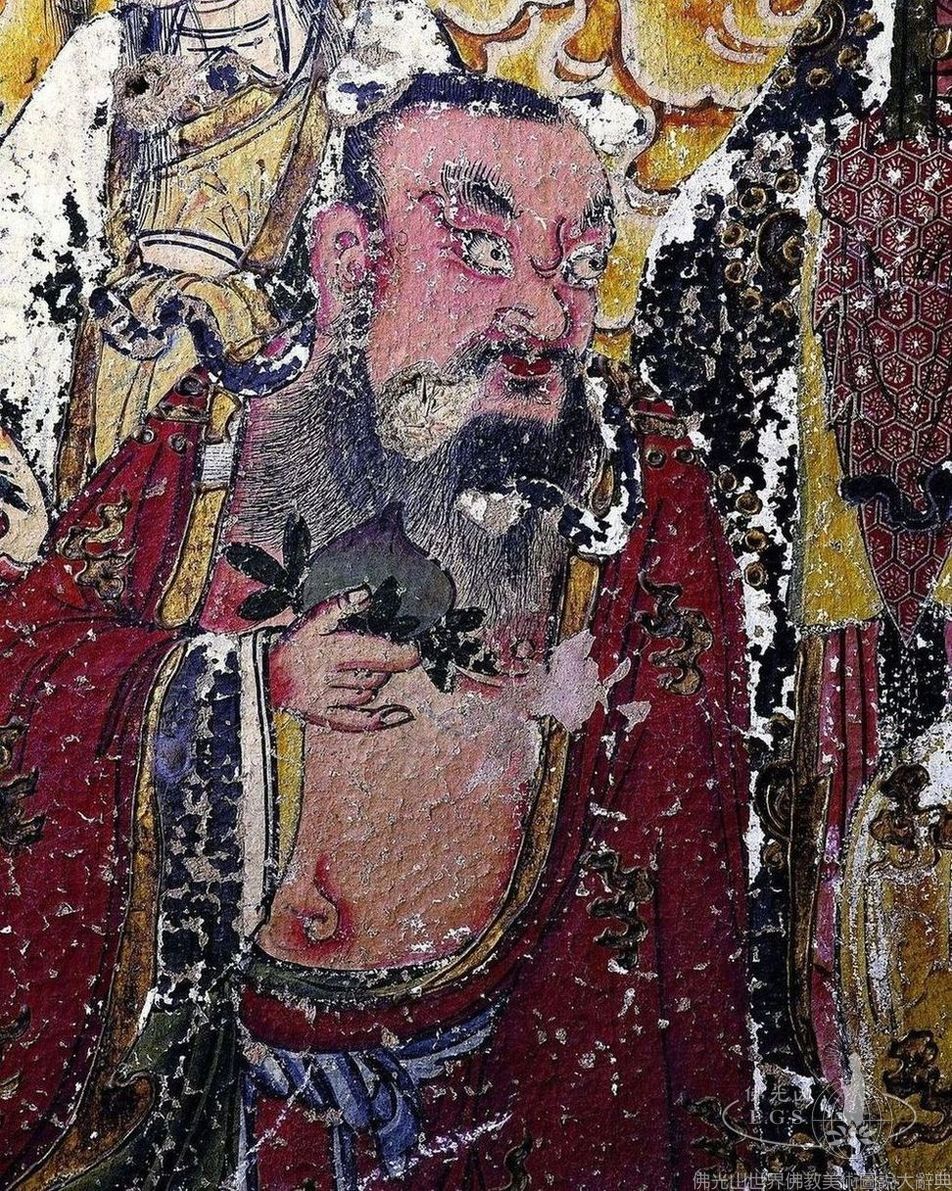
These murals cover 170 sq m of the walls of Dharma Transmission Hall in Yong'an Temple. Though they are undated, the style and the appearance of the figures suggests that they were first painted during the Ming dynasty (1368-1644). According to temple records dating from 1687 of the Qing dynasty, they were repainted in 1676.
A total of 882 diverse figures are depicted in the murals. As in most sets of illustrations meant to be used in Water and Land Dharma services, the figures are separated into upper and lower halls. The upper hall is for Buddhas, Bodhisattvas, Sravakas, Pratyekabuddhas, Wisdom Kings, and Dharma protectors. The lower hall features beings from the six realms: heaven, asura, human, hell, hungry ghost, and animal. Many of the murals are divided into three distinct registers. Each individual image is identified by an inscription in the upper corner. Beside the door in the north wall, there are images of the Ten Wisdom Kings. Bodhisattvas, Sravakas, and Dharma protectors are also depicted. Heavenly beings in palaces are located above the roof beams.
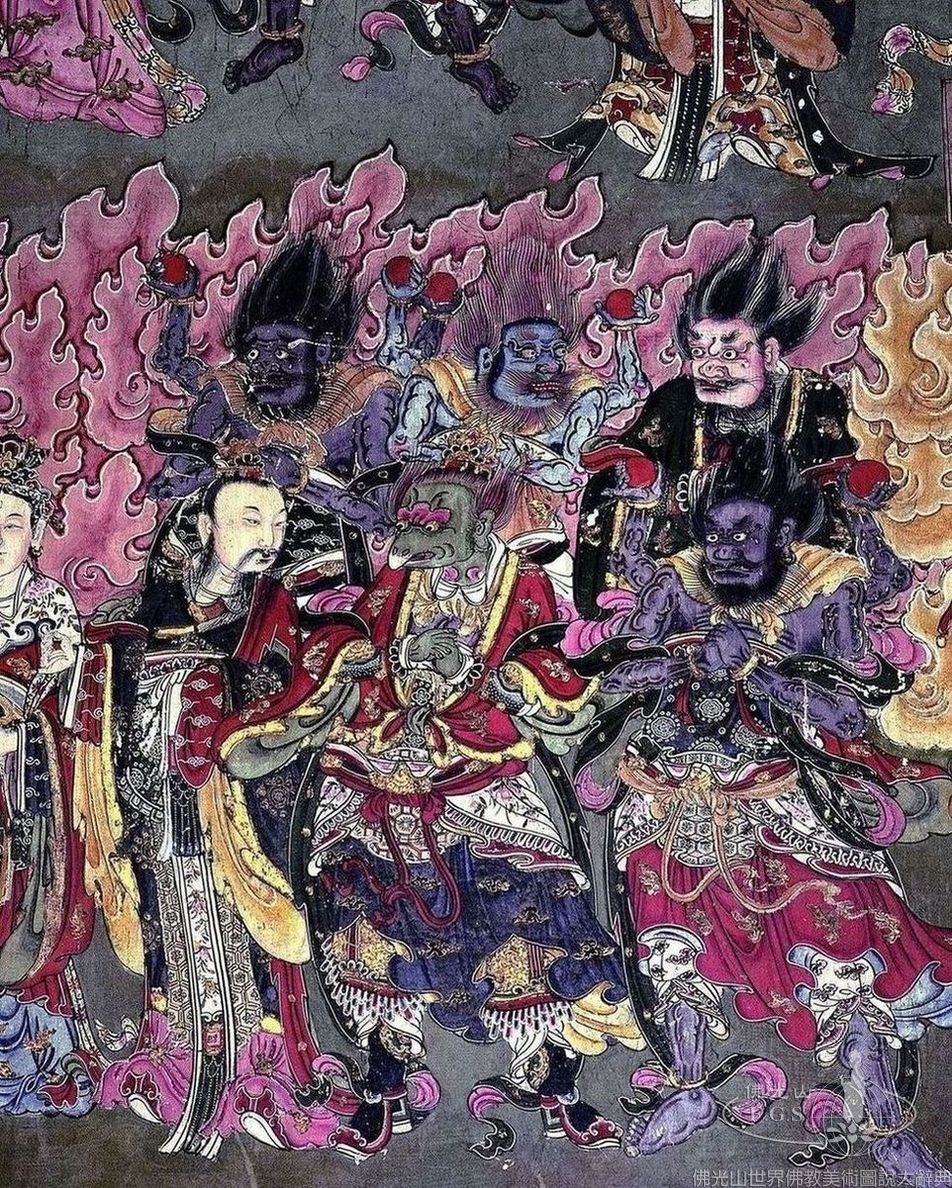
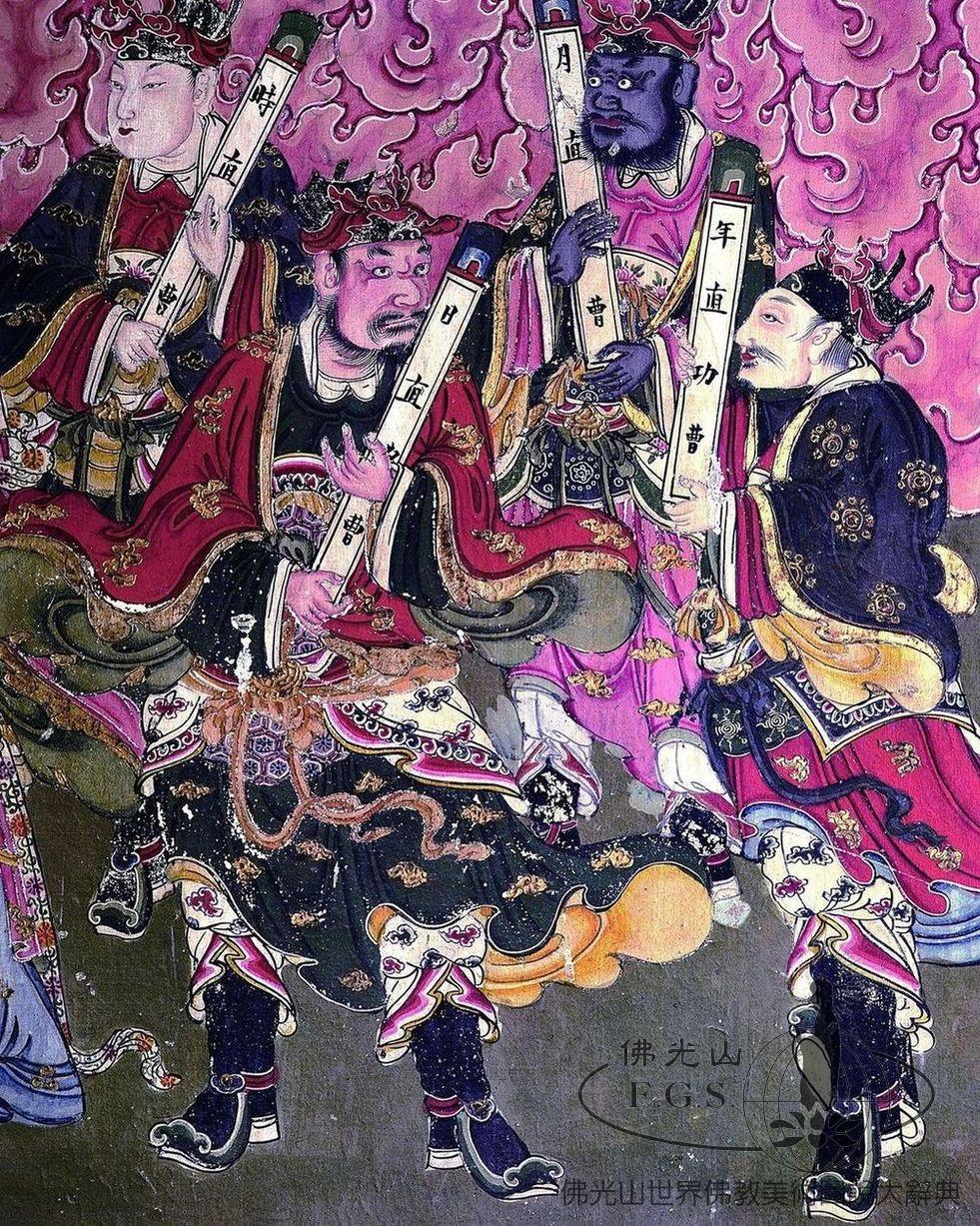
In the upper register of the east wall and on the left side of the south wall, there are illustrations of Devagarbha Bodhisattva, the Four Heavenly Kings, and the Luminaries. Deities representing the Twelve Zodiac Deities, the Twenty-Eight Mansions, the North Dipper Deity, and the Four Envoys of Time are painted in the middle register. The lower register contains portrayals of various beings including raksasis, Atavaka, Pancika, Hariti, and a Bodhisattva as a Guide. There are also depictions of deceased beings such as monks, kings, queens, concubines, loyal officials, heros, filial descendents, and many other people from all walks of life.
On the upper register of the west wall and the right side of the south wall, there are illustrations of Dharanimdhara Bodhisattva, the Deities of the Five Mountains, Dragon Kings of the Four Seas, and the deities representing wind, cloud, thunder, and lightning. The Earth Deity, the City Deity, Yama, and the Kings of Hell are shown in the middle register. The lower register features illustrations of ghost workers, wandering spirits, and beings in the 18 levels of hell. Painted with smooth, bold brush strokes and bright colors, the murals vividly display the diversity of beings in the Buddhist pantheon and the six realms. The scenes of abandoning wives and children, torturing the innocent, famine, drought, and epidemics depicted in the murals reflect the social outlook of that period. |