 |
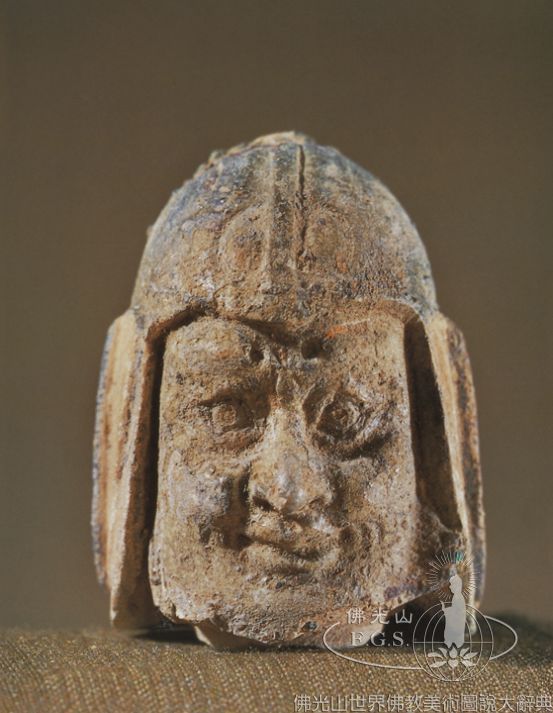
Yongning Temple: Heads of Figures
|
| |
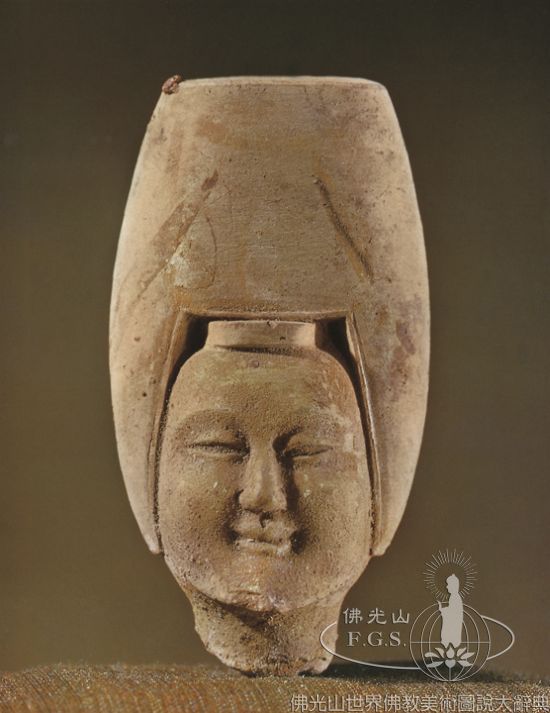 |
Yongning Temple: Heads of Figures
|
| |
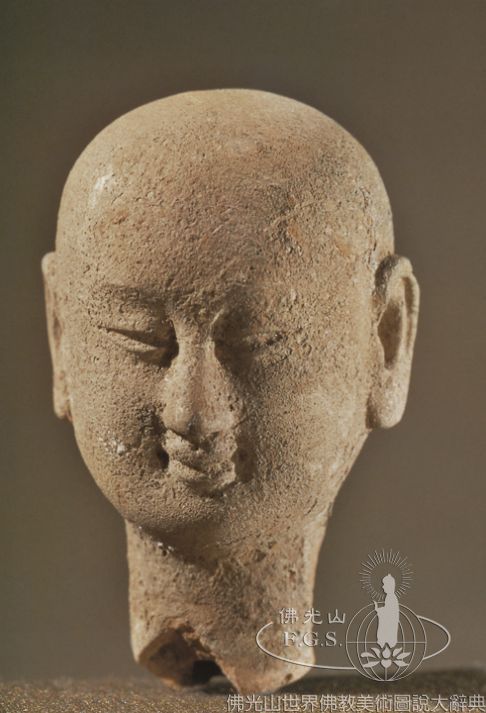 |
Yongning Temple: Heads of Figures
|
| |
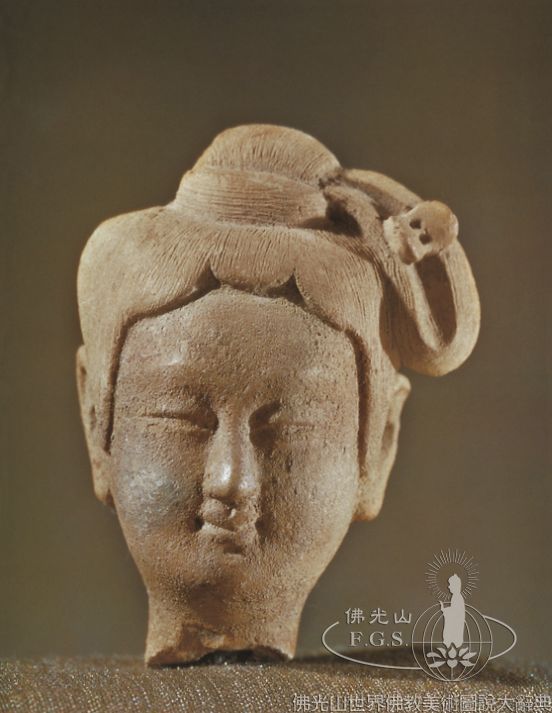 |
Yongning Temple: Heads of Figures
|
| |
|
Yongning Temple: Heads of Figures
CHINA, Henan, Luoyang; Northern Wei dynasty (386–534), dated 516; Clay; Institute of Archaeology, Chinese Academy of Social Sciences, Beijing, China
Between 1963 and 1994, some 1,560 items were excavated from the ruins of Yongning Temple, which had been constructed under order of Emperor Xiaoming (reigned 515–528) for his deceased mother. The sculptures of various sizes were hand molded using fine clay and were painted after firing. In addition to Buddhist figures such as Buddhas, Bodhisattvas, disciples, and apsaras, donors were also represented among the works, including civil officials, military personnel, and attendants, both male and female. Most figures have round faces with slender eyes, small mouths and peaceful, smiling expressions. Individual details such as their topknots, headdresses, robes, and shoes are realistically depicted. A shift in style away from more slender figures is evident over time.
The heads an official and a female attendant illustrated here gives a good example. The female attendant has a high chignon combed to the right and held in place with an elliptical band. The tall hat of the official is portrayed in a novel way, contrasting with the more conventional helmet of the general. |