 |
Wutaishan Yanshan Temple Manjusri Hall: Hariti
|
| |
 |
Wutaishan Yanshan Temple Manjusri Hall: Hariti
|
| |
 |
Wutaishan Yanshan Temple Manjusri Hall: Hariti
|
| |
 |
Wutaishan Yanshan Temple Manjusri Hall: Hariti
|
| |
|
Wutaishan Yanshan Temple Manjusri Hall: Hariti
CHINA, Shanxi, Xinzhou; Jin dynasty (1115–1234), dated 1167
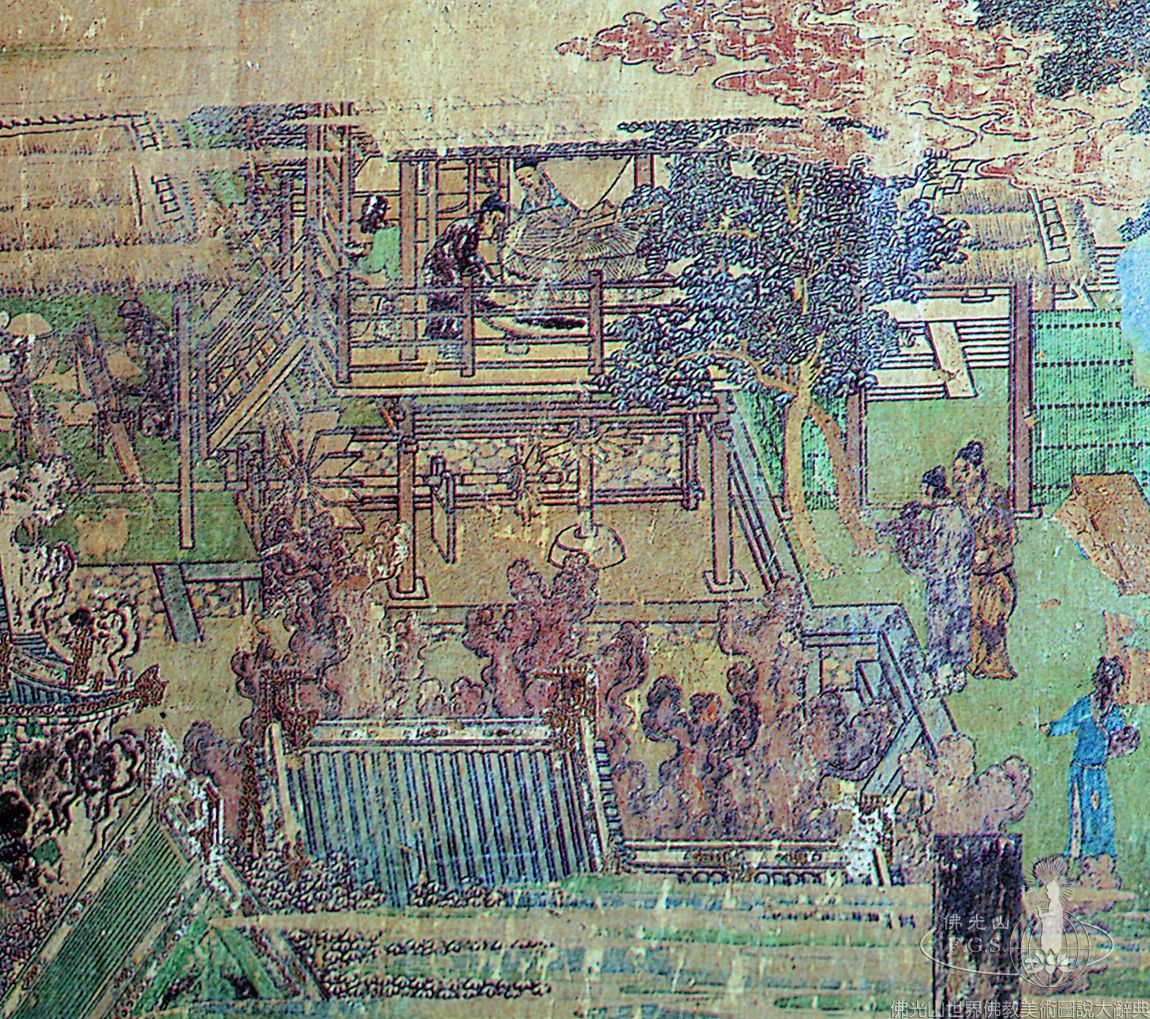
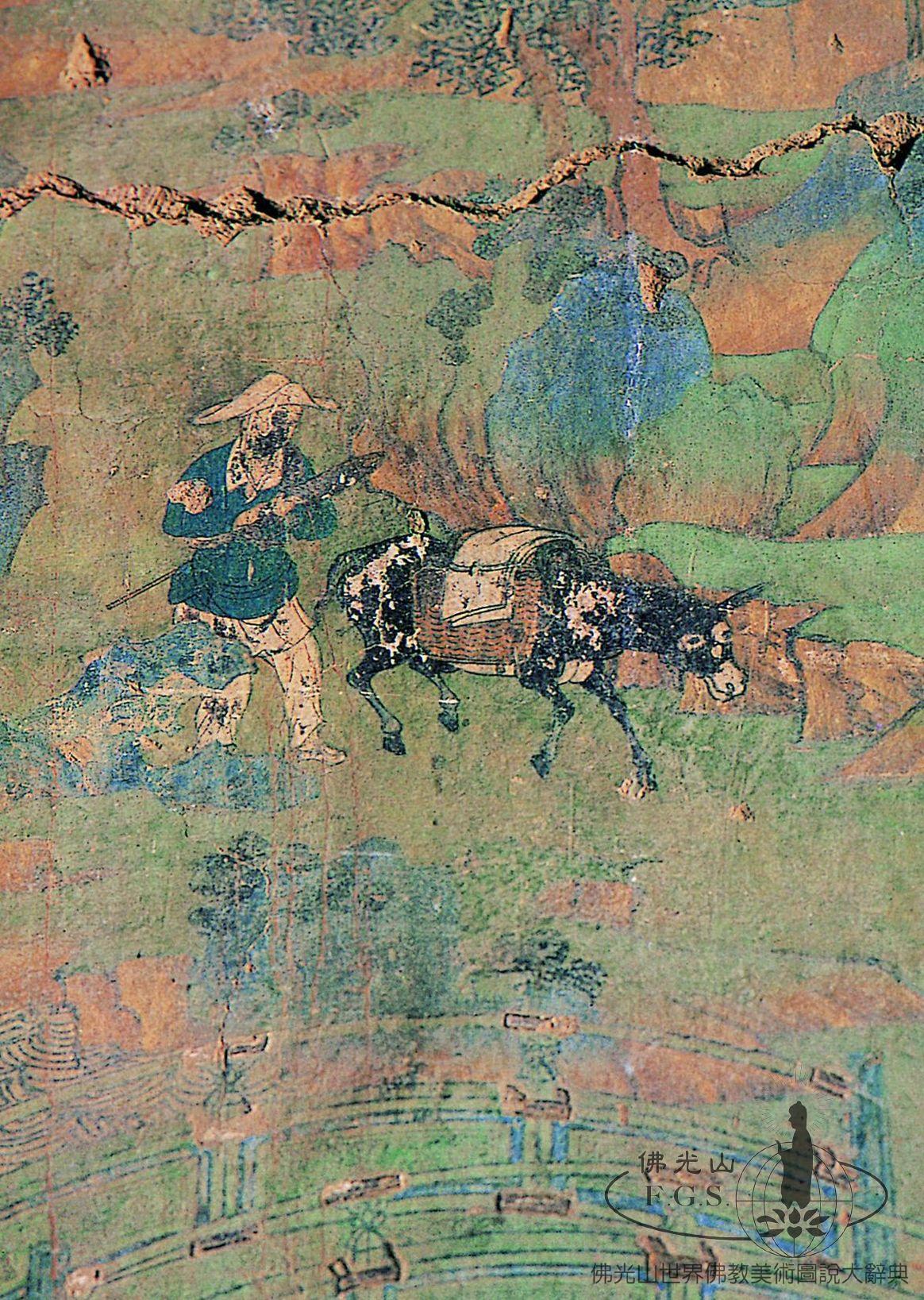
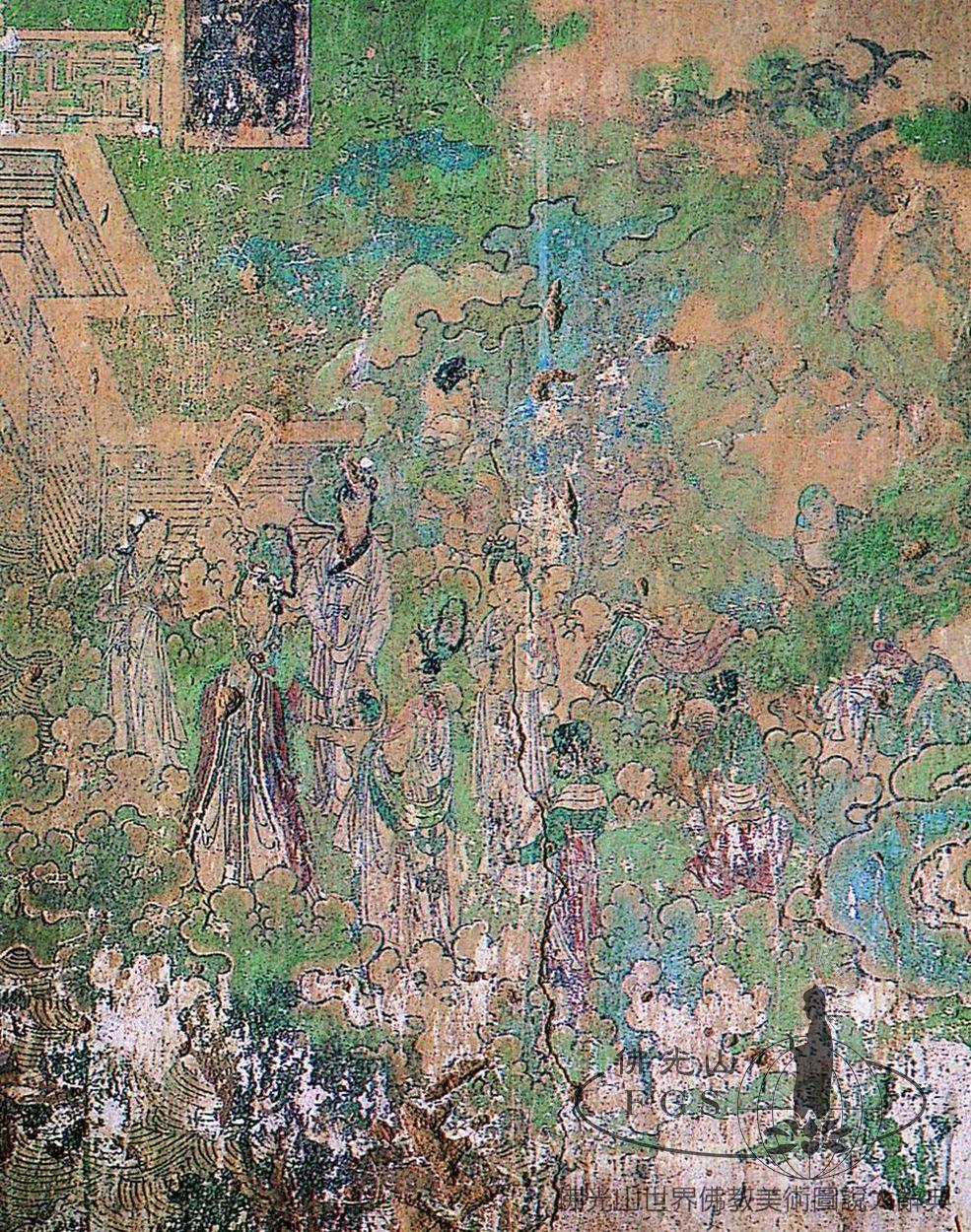
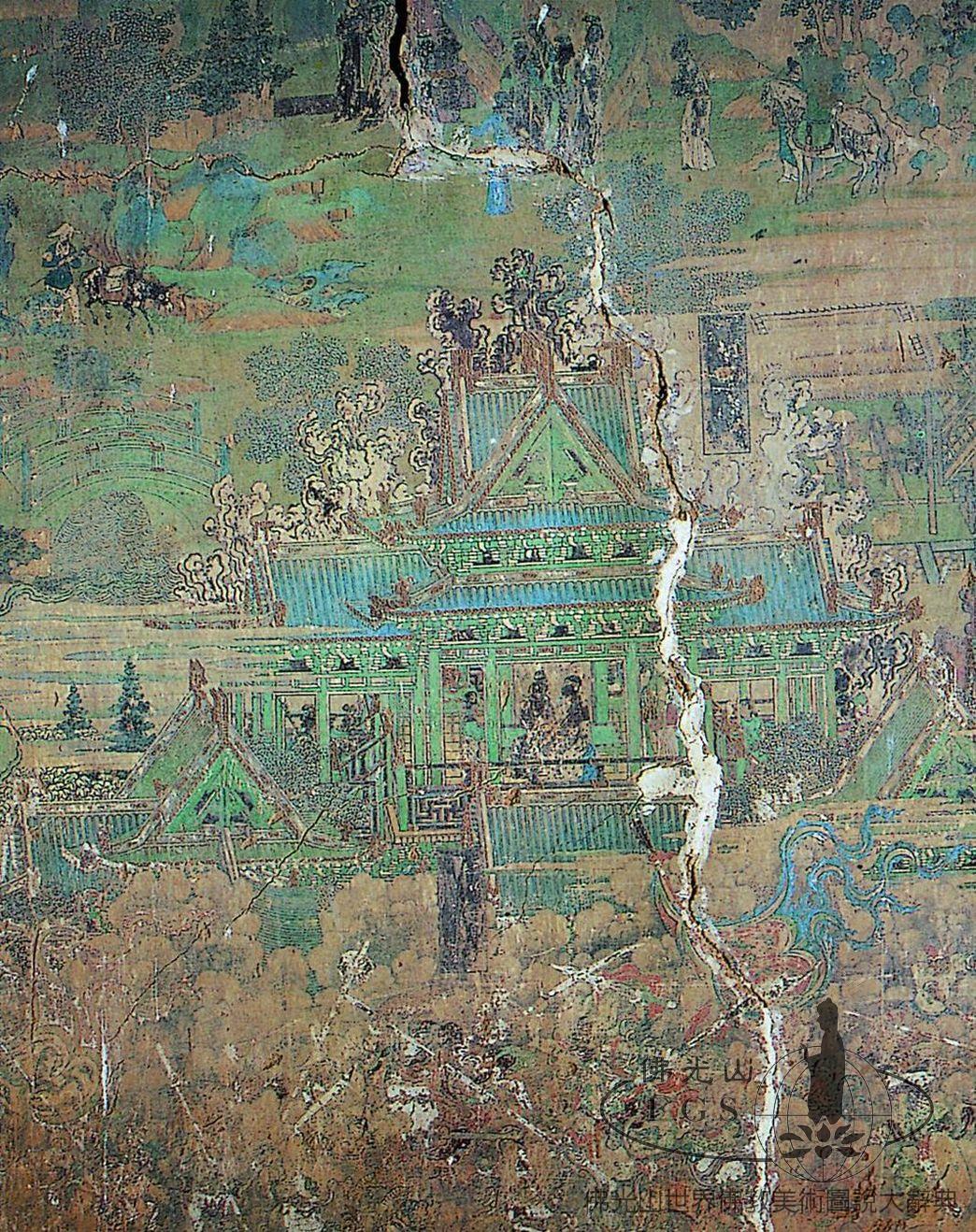
This mural is painted on the left side of the east wall in the Manjusri Hall. It depicts the story of Hariti told in the Mulasarvastivada Vinaya-Vastu. According to the scripture, a crowd of 500 people traveling to Rajagriha to hear the teachings of the Pratyekabuddha convinced a pregnant woman to join them. She fell in with the group but became exhausted along the way, suffered a miscarriage, and was abandoned. Filled with hatred, she exchanged her curdled milk for amalaka fruit and offered them to the Pratyekabuddha. Using the merit she gained from this offering, she made an evil vow to devour all the children of Rajagriha. After passing away, she was reborn as the yaksini Hariti, and would kidnap and kill the children of others to feed her own. To teach her a lesson, the Buddha hid her youngest son beneath an alms bowl. When Hariti frantically searched for him, the Buddha asked her to consider how the mothers of her victims must feel. She realized the harm that she was causing others, repented, and became a Dharma Protector known for watching over children.
The scenes are painted against a background of meadows, mountains, streams, buildings, trees, and clouds that reflects the high quality of Song (960-1279) and Jin dynasty landscape art. There are many realistic images of life during the Jin dynasty including depictions of a banquet in a palace, attending a banquet in the naga palace, a millstone, driven by water, and a peasant driving a donkey. The portrayal of the millstone is particularly accurate, making it a valuable resource for understanding what such operations looked like during the Song and Jin dynasties. |